Learning to ride a bike is more than just acquiring a new skill; it’s a profound milestone that embodies courage, independence, and family support. As children wobble, fall, and eventually pedal off on their own, they confront fears and build resilience—lessons that extend far beyond the pavement. This journey is filled with moments of celebration and anxiety, prompting us to ask: does the thrill of independence outweigh the fear of falling? Historically, bicycles symbolize progress and social mobility, evolving from simple foot-powered devices to essential symbols of freedom and community. Modern techniques—balance bikes, training wheels, safety gear—make the process more approachable, emphasizing patience over perfection. Teaching children to ride is ultimately about nurturing confidence and perseverance, fostering a growth mindset that encourages exploration and resilience. Could this simple act be the key to empowering lifelong confidence, one pedal at a time? The answer lies in how we support and celebrate every wobble and triumph along the way.
Embracing Courage and Independence: The Milestone of Learning to Ride a Bike
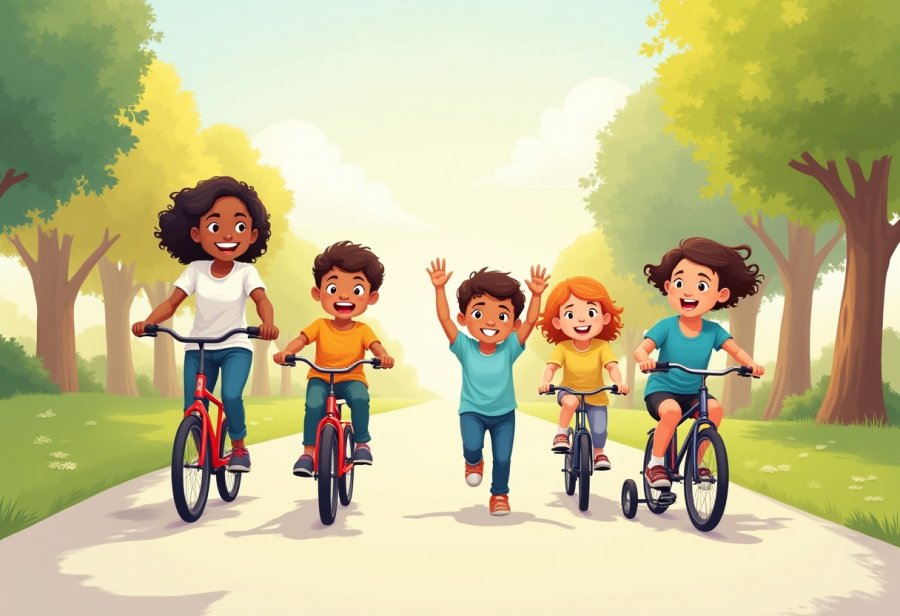
Learning to ride a bike is more than just picking up a new skill; it’s a milestone that marks a turning point in childhood and family life. Those first shaky pedals are often filled with a mix of excitement and nerves—an adventure that opens the door to independence. Watching a child push off on two wheels for the first time sparks pride and hope in parents, symbolizing trust, growth, and shared achievement.
This simple act of learning to ride becomes a powerful symbol of courage. Kids face their fears of falling and failure, often battling self-doubt. Yet, it’s through overcoming these fears that they build resilience and confidence. The process isn’t just about physical coordination; it’s about mental strength and perseverance, showing children that setbacks are just part of the journey toward mastery.
Family involvement makes all the difference. When parents guide their children through wobbly first attempts and inevitable tumbles, they foster a sense of trust and support. Celebrating small victories—like balancing a little longer or pedaling independently—reinforces that effort and persistence matter more than perfection. These shared moments turn learning into lasting memories and strengthen bonds.
Learning to ride also symbolizes freedom. As children gain control and confidence, the open road beckons. The day they pedal away on their own, feeling the wind and exploring their surroundings, marks a leap toward independence. That feeling of liberation fuels a lifelong love of cycling and outdoor adventure, nurturing self-reliance and curiosity.
It’s natural for fear of falling to be part of the process. Every wobble and tumble is a stepping stone, not a failure. When parents reassure their children that falls are normal and part of learning, they help turn anxiety into curiosity. Encouragement and celebrating small wins make the journey positive and help kids view setbacks as opportunities for growth.
Teaching a child to ride isn’t just about mechanics; it’s about nurturing confidence and resilience. Each wobble and fall teaches patience and perseverance—lessons that extend beyond biking into school, friendships, and future challenges. Supporting children with patience and positivity turns cycling into a memorable milestone that shapes their sense of independence and courage for years to come.
A Journey Through Time: The Rich History and Cultural Significance of Bicycles
Bicycles have a rich history that stretches back over two centuries, and their evolution tells a story of innovation and social change. The earliest prototypes, like Karl Drais’s Laufmaschine from 1817, had no pedals. Riders simply pushed off with their feet, gliding along on a wooden frame—a simple idea that set the stage for future developments. Over time, designers added pedals, chains, and pneumatic tires, transforming the bicycle into a practical, accessible mode of transportation capable of covering distances faster than walking.
As bicycles became more comfortable and reliable, their cultural significance grew alongside their technical improvements. By the late 1800s, cycling symbolized progress, freedom, and social mobility. It offered a new way for people to explore their surroundings, connect with others, and challenge societal norms—especially for women, who found bikes empowering and liberating. The introduction of safety bicycles in the 1880s, with equal-sized wheels and chain drives, made riding safer and more appealing, turning cycling into a popular activity across different social classes.
Throughout history, bikes have also played a role in shaping communities. They facilitated easier travel, encouraged outdoor activity, and fostered social interactions. Cycling clubs and races, like the Tour de France launched in 1903, elevated biking from a pastime to a sport. These events created communities around shared achievement and passion, reinforcing cycling’s place as more than just transportation but a cultural phenomenon that unites people.
In recent decades, teaching and learning to ride have evolved significantly. Traditionally, parents relied on holding onto their children or guiding them physically, which could be intimidating. Today, innovations like balance bikes and training wheels focus on developing balance and confidence gradually. These tools make the transition to pedal bikes smoother and less daunting, especially when combined with safety gear like helmets and pads, which are now standard.
Modern learning approaches are supported by technology too. Instructional videos, kid-friendly tutorials, and community programs help children and parents alike. Bike shops and local centers offer fitting services and safety advice tailored for young riders, making the process more approachable. These developments reflect a broader understanding that learning to ride involves patience, resilience, and emotional support, not just physical skills.
Bicycles continue to be a symbol of mobility and innovation. They have helped break down social barriers by providing affordable, accessible transportation and encouraging healthier lifestyles. Today, cities are investing in cycling infrastructure, and new technologies like electric bikes make riding easier and more appealing for beginners. This ongoing evolution keeps cycling relevant as a sustainable, community-building activity that inspires generations to come.
Looking ahead, the cultural importance of bicycles remains strong. As urban centers prioritize sustainability and active living, cycling is poised to grow even more influential. Learning to ride today isn’t just about mastering mechanics; it’s about embracing a lifestyle rooted in independence, health, and environmental responsibility. The history of bikes reminds us that this simple invention has the power to shape society, foster connections, and inspire adventure—making every rider’s journey a step toward a more connected and sustainable future.
Building Blocks of Confidence: Core Concepts in Teaching Kids to Cycle
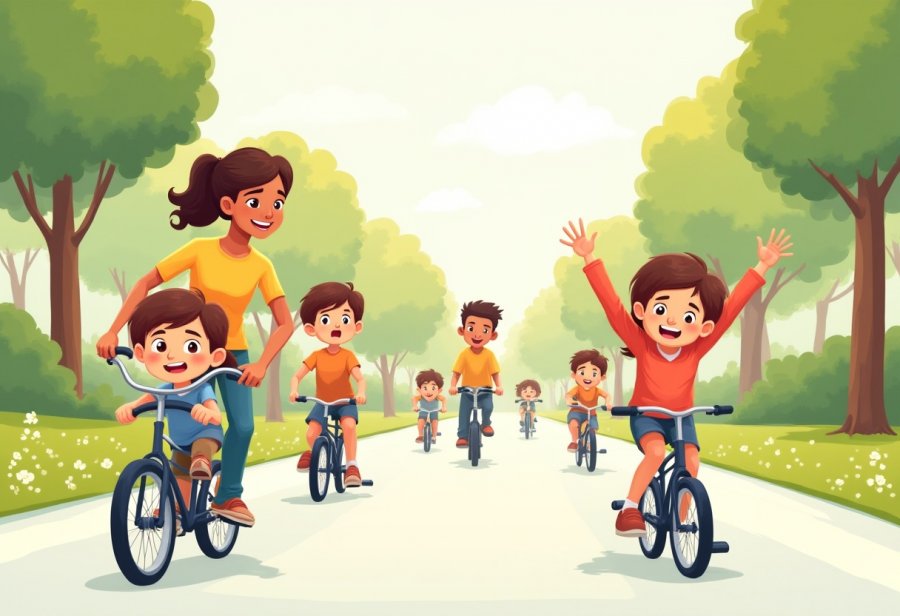
Learning to ride a bike hinges on mastering a few key concepts that serve as the building blocks for success. Balance is the foundation; without it, pedaling and steering become much more challenging. That’s why many children start with balance bikes or training wheels—tools that help them focus on staying upright before adding the complexity of pedaling. Once they develop a sense of stability, introducing pedaling feels more natural, as their muscles and coordination grow together.
Understanding how these elements connect makes the process smoother. When children concentrate on balancing, they begin to feel what it’s like to stay upright on two wheels, building control and confidence. Steering then teaches them to control the bike’s direction, essential for navigating turns and different terrains. Braking, often overlooked initially, is equally vital for safety. Learning to brake smoothly and control speed helps kids trust their ability to stop when needed, reinforcing their sense of control.
Breaking the learning process into these core ideas keeps things manageable and reduces frustration. Starting with balance, then gradually adding pedaling, steering, and braking, creates a step-by-step pathway that encourages patience. As kids practice each skill at their own pace, they develop a sense of mastery that motivates them to try more challenging rides. Celebrating small improvements, like longer balancing or smoother stops, boosts their confidence and keeps the experience positive.
Physical and emotional development play crucial roles. Balance involves engaging muscles and inner ear systems that help maintain stability, while psychologically, it’s about resilience. Kids learn to persevere through wobbling and falling, understanding that setbacks are part of the journey. When parents support this mindset, explaining that tumbles are normal, children become more willing to keep trying, viewing each wobble as a stepping stone toward mastery.
Overcoming fears is a vital component of learning to ride. Many children worry about falling, which can hinder progress if not addressed. Reassuring them that falls are natural helps transform anxiety into curiosity. By celebrating small wins—like balancing a little longer or pedaling a few meters—they see progress rather than setbacks. This approach fosters a growth mindset, where effort trumps perfection and persistence leads to success.
Practical Strategies for Success: Tips and Techniques for Teaching Children to Ride
Teaching kids to ride a bike successfully relies on practical strategies that make the experience enjoyable and stress-free. Starting with a balance bike or training wheels allows children to focus on staying upright without feeling overwhelmed by pedaling or steering. Once they gain confidence, gradually removing training wheels or switching to a pedal bike helps ease the transition to independent riding, especially when done on flat, safe surfaces like parks or driveways. These familiar environments give children space to experiment and build skills at their own pace.
Consistency plays a crucial role in building confidence. Regular outings, whether in the neighborhood or at local parks, create opportunities for kids to refine their balance and coordination. Keeping practice sessions relaxed and fun encourages a sense of adventure and reduces anxiety. As their skills improve, introducing gentle challenges—like riding over small inclines or practicing turns—keeps things engaging and helps develop resilience. Setting small, achievable goals for each ride reinforces progress and keeps motivation high.
Safety is key from the start. Ensuring bikes fit properly, helmets are worn, and brakes are in good condition makes rides safer and more comfortable. Teaching children how to brake smoothly and control their speed builds trust in their abilities and prevents panic in tricky situations. Choosing obstacle-free, flat areas for practice minimizes hazards and allows kids to focus on mastering fundamentals without unnecessary stress. Reassuring them that falls are a normal part of learning helps normalize setbacks and keeps their spirits up.
Using visual cues and simple instructions can make learning more intuitive. Demonstrating proper positioning, how to push off, and steering techniques provides clear models for children to imitate. Breaking down each skill into small steps—like balancing first, then pedaling—reduces frustration and makes progress feel attainable. Repetition at their own pace helps reinforce learning, and celebrating even minor successes boosts their confidence and enthusiasm. Emphasizing effort over perfection keeps the experience positive and encourages persistence.
Turning practice into family time fosters a supportive environment. Riding together, sharing small victories, and offering gentle guidance create positive associations with learning. These shared moments strengthen bonds and make the process more enjoyable. Remember, every child learns differently, so adapting your approach—whether that’s taking more breaks or trying different locations—can make all the difference. Patience and encouragement are vital in transforming a potentially intimidating task into a fun, confidence-building adventure that sets the foundation for lifelong cycling skills.
Guiding Toward a Future of Freedom: The Lasting Impact and Evolution of Learning to Ride
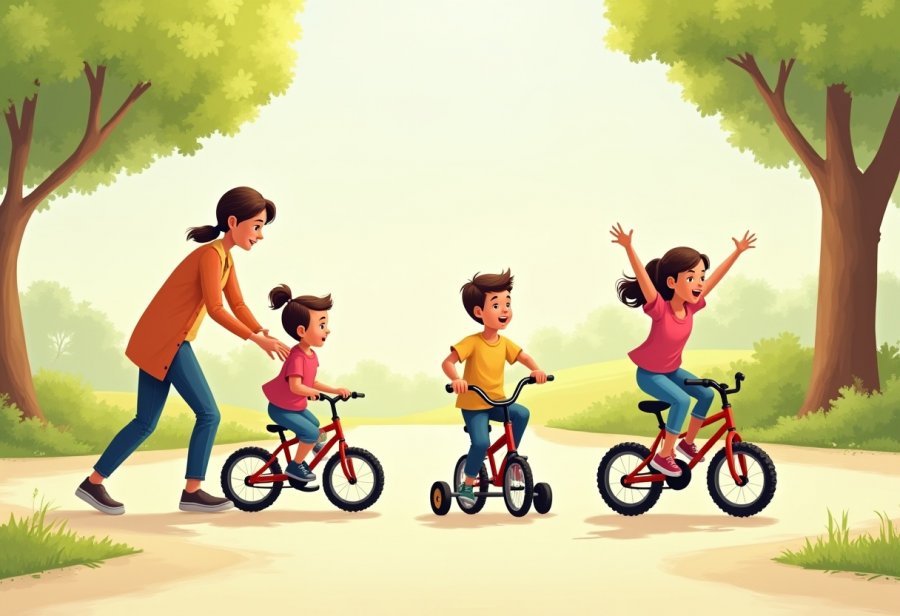
Teaching a child to ride a bike goes beyond just mastering pedals and balancing on two wheels; it lays the groundwork for confidence, independence, and resilience that extend into many areas of life. When kids learn to navigate their bikes, they experience a sense of achievement that fuels their belief in themselves and their ability to face new challenges. This early lesson in perseverance and patience helps them develop a growth mindset, encouraging them to see setbacks as natural steps toward success rather than failures.
Fears, especially the worry of falling, are a normal part of learning to ride. When parents and caregivers reassure children that tumbles are just part of the process, it transforms anxiety into curiosity and motivation. Celebrating small victories—like balancing a little longer or stopping smoothly—reinforces that effort and persistence matter more than perfection. These moments of progress nurture a positive attitude that can carry them through future obstacles, both on and off the bike.
Family support plays a crucial role in turning riding into a shared adventure. Encouragement, gentle guidance, and celebrating each milestone forge stronger bonds and make the journey enjoyable rather than stressful. When children see their efforts recognized and their fears addressed with patience, they become more willing to keep trying, building resilience with every wobble and fall. These experiences foster not just cycling skills but also important life lessons about patience, persistence, and support.
As cities and communities increasingly prioritize sustainability and outdoor activity, the importance of teaching kids to ride grows even more. Cycling is not only a fun way to explore but also a practical, eco-friendly mode of transportation that can serve children well into adulthood. Innovations like electric bikes and improved safety infrastructure make riding more accessible and enjoyable for beginners, reinforcing the idea that cycling is a lifelong skill with lasting benefits.
The journey of learning to ride shapes more than just physical coordination; it instills a sense of independence and adventure that encourages curiosity and exploration. Every wobble, fall, and triumphant ride contributes to a child’s confidence, helping them see challenges as opportunities for growth. Supporting them with patience and positivity transforms what might seem daunting into a memorable milestone filled with joy and achievement.
Ultimately, teaching a child to ride a bike is a gift that keeps giving. It’s about nurturing resilience, fostering independence, and creating memories that last a lifetime. The skills they develop—patience, perseverance, and self-trust—become tools that will serve them far beyond the handlebars. As they pedal forward, they carry with them a sense of freedom and confidence that can inspire them to navigate life’s twists and turns with courage and optimism.