In an increasingly digital world, can tending a garden together truly unlock deeper bonds and foster healing? This compelling exploration reveals how shared outdoor activities transcend mere horticulture, acting as a powerful catalyst for emotional connection and resilience. Gardening demands patience, cooperation, and presence—qualities that nurture trust and open communication. As hands dig into soil and routines develop around planting and caring, relationships are strengthened through shared effort and vulnerability. The act of nurturing life becomes a metaphor for mending hearts and building understanding, offering a calming refuge amid chaos. Scientific insights support the idea that caring for plants reduces stress and boosts well-being, making gardening an accessible form of natural therapy. Whether in small pots or community plots, these routines cultivate not just crops but lasting bonds, reminding us that growth, like love, requires time, patience, and gentle tending—posing the question: is it time we rediscover the healing power of tending things together?
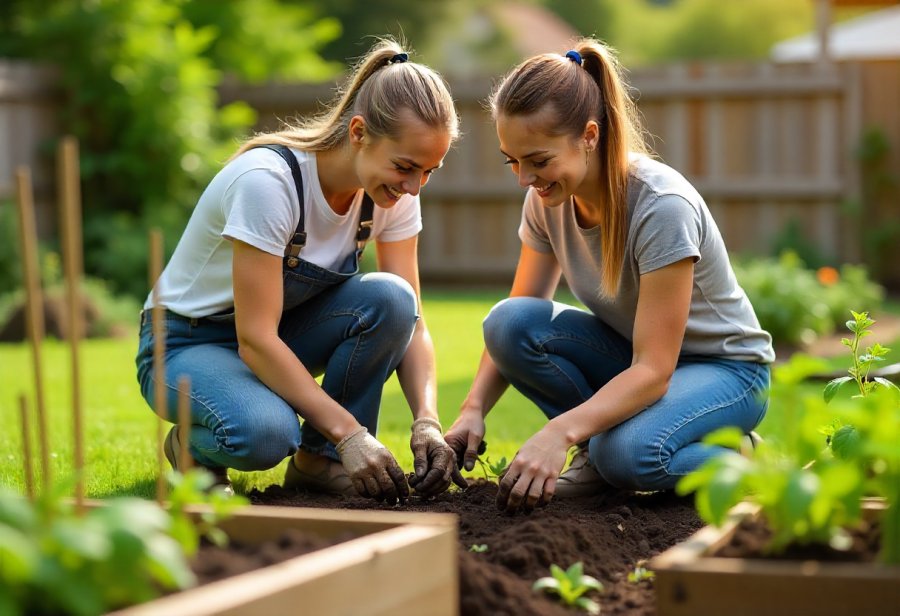
Cultivating Connection in a Digital Age Through Gardening
In today’s fast-paced digital world, genuine human connection can sometimes feel harder to find. We’re often glued to screens, exchanging quick messages or scrolling through feeds, leaving little room for meaningful face-to-face interactions. Yet, despite our digital convenience, many of us still crave authentic bonds and a sense of community. Gardening offers a simple yet powerful way to bridge that gap—an activity rooted in patience, presence, and shared effort.
Tending to a garden together creates a space where physical work and emotional connection go hand in hand. It’s more than just planting seeds; it’s about nurturing trust and cooperation through a common goal. As hands dig into the soil, conversations flow more naturally, and the quiet rhythm of gardening encourages mindfulness. These shared moments of tending to life foster a sense of calm and belonging that digital interactions rarely provide.
Unlike fleeting online exchanges, gardening demands our attention and presence. Touching soil, smelling blooms, and watching plants grow in real time ground us in the here and now. This tactile engagement has been shown to lower stress hormones and boost feelings of well-being. When done with others, it transforms into a restorative ritual—an outdoor therapy session that heals both body and mind, reconnecting us with nature and each other in a meaningful way.
Working side by side in the garden also teaches patience and empathy. Watching a plant take time to flourish mirrors the slow, steady process of building and strengthening relationships. Through shared responsibility and routine care, bonds deepen naturally. These acts of nurturing foster vulnerability and trust, creating a safe space where open communication becomes easier, and emotional wounds can begin to heal.
Gardening isn’t just about growing plants; it’s about cultivating relationships and emotional resilience. When we commit to this quiet act of care, we reinforce the idea that real connection takes time and effort. In a world increasingly dominated by digital distraction, tending a garden together reminds us that the most meaningful bonds are rooted in patience, love, and shared growth.
Rooted in Resilience: How Gardening Strengthens Emotional Bonds
Gardening goes beyond the simple act of planting—it’s a powerful symbol for how we connect with ourselves and others. When we work with soil and tend to living things, we’re practicing patience, resilience, and care. Sharing this process deepens bonds because it requires cooperation, communication, and mutual support. Scientific studies support this, showing that gardening reduces stress, boosts mood, and clears the mind. It’s a natural way to enhance emotional well-being and foster a sense of accomplishment.
Engaging with nature through gardening stimulates our senses and encourages mindfulness. Touching soil, smelling flowers, and watching plants grow help us stay present and focused on the moment. This kind of engagement lowers cortisol levels—the hormone linked to stress—and promotes feelings of calm and balance. When we nurture plants, we simultaneously nurture ourselves, finding grounding amid life’s chaos. Gardening acts as a form of natural therapy, offering a peaceful space for recovery and emotional renewal.
Sharing gardening tasks creates opportunities for trust and openness. Working side-by-side to plant, water, or prune helps build reliance and patience. These collaborative moments often lead to conversations about everyday life, hopes, or worries, strengthening emotional bonds. As the garden flourishes, so do the relationships involved, with shared pride fostering empathy and understanding. This ongoing process of caring together encourages vulnerability and creates a safe environment for authentic connection.
Research confirms that outdoor activities like gardening boost trust and cooperation. The calming effect of working with nature and focusing on a shared goal fosters emotional bonds that extend beyond the garden. These experiences teach patience and resilience, reinforcing that growth—whether in plants or relationships—takes time and steady effort. The routines of watering, pruning, and harvesting not only nurture the garden but also serve as gentle reminders that meaningful bonds develop gradually through consistent care.
Ultimately, gardening is about cultivating more than just plants; it’s about nurturing human connections. As we tend to life together, we learn to be more patient, empathetic, and supportive. These acts of care, repeated over time, build trust and resilience, forming the foundation of lasting bonds. In a world where digital distractions often pull us apart, tending a garden offers a simple yet profound way to reconnect, reminding us that genuine growth requires time, attention, and love.
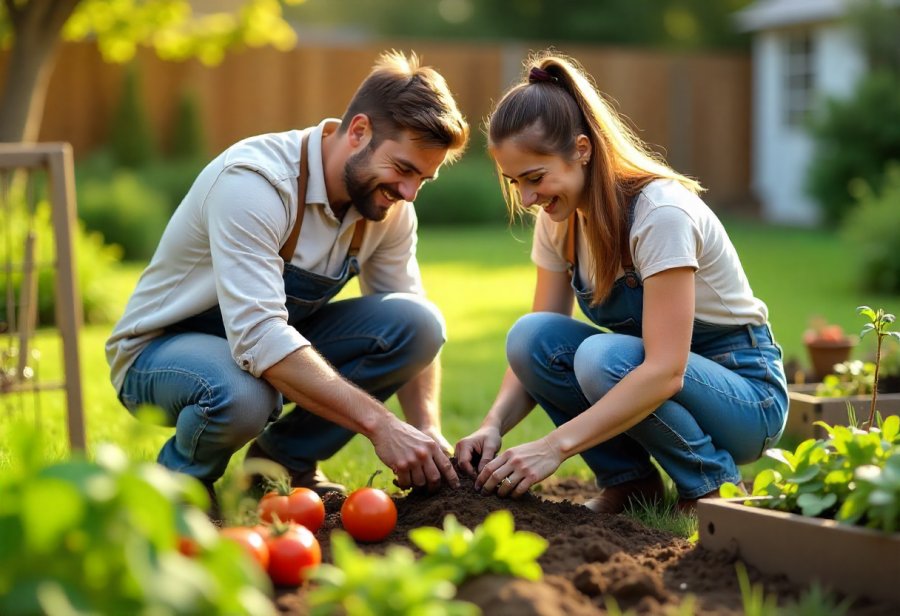
Growing Together: Gardening as a Path to Healing and Relationship Deepening
Gardening activities serve as a gentle but powerful catalyst for deepening emotional bonds and fostering healing. When people work together to plant, care for, and harvest, they share a common purpose that naturally builds trust and cooperation. These collaborative moments create space for honest conversations, often leading to insights and connections that might not occur otherwise. As the garden begins to flourish, so do the relationships involved, with pride and shared achievement strengthening the bond.
Tending to a garden side-by-side encourages patience and empathy—two essential ingredients for healthy relationships. Watching plants grow over time offers a tangible reminder that meaningful progress requires time and effort. This shared process nurtures resilience and understanding, as everyone learns to support each other through setbacks and successes. The physical act of caring for living things together fosters vulnerability, creating a safe space where feelings can be expressed and mutual support offered without judgment.
Gardening also introduces a natural rhythm that mirrors emotional healing. Routine tasks like watering, pruning, and harvesting establish a sense of stability and predictability, which can be especially comforting during challenging times. These repetitive acts of care reinforce the idea that growth—whether in plants or in relationships—happens gradually and with consistent effort. As routines develop, they become anchors of trust and familiarity, making it easier to open up and deepen connections.
Research shows that shared outdoor activities like gardening boost trust and cooperation. The calming effects of being immersed in nature and working toward a common goal foster bonds that extend beyond the garden itself. Moments spent tending to life together promote empathy and mutual understanding, helping people navigate conflicts with compassion. These experiences remind us that caring for others, like caring for plants, cultivates resilience and emotional strength, enriching relationships over time.
Gardening as a shared activity also offers opportunities for problem-solving and overcoming obstacles collectively. When setbacks occur, such as a plant struggling or pests invading, working through these challenges together reinforces teamwork and patience. These experiences teach that setbacks are part of growth, both in the garden and in relationships. Overcoming them side-by-side strengthens trust and deepens the sense of partnership, turning shared effort into lasting emotional bonds.
Planting Practical Connections: Easy Ways to Use Gardening for Relationship Growth
Getting started with gardening as a way to strengthen relationships doesn’t need to be complicated. Begin with small, manageable tasks like watering a single pot or tending to a few herbs. These simple routines don’t take much time but create consistent opportunities for shared effort and conversation. Over days and weeks, these small acts build a sense of routine and purpose that naturally draws people closer through ongoing collaboration.
For those with limited space, community gardens or balcony setups offer excellent options. These shared spaces allow multiple people to participate, turning gardening into a collective activity. Working side-by-side in such environments sparks spontaneous interactions—laughter, teamwork, and exchanges of tips—that deepen bonds beyond the act of planting. It transforms gardening from a solitary chore into a chance for social connection and shared achievement.
Choosing beginner-friendly plants like herbs, lettuce, or marigolds makes the process rewarding and less frustrating. These plants tend to thrive with minimal effort, providing quick results that motivate continued care. Using simple tools like watering cans and trowels keeps the activity accessible, especially for newcomers. The ease of success encourages more frequent participation and reduces potential barriers to starting.
Establishing a regular schedule helps turn gardening into a meaningful routine. Whether it’s a weekly harvest or daily watering, consistent activity creates predictable moments for connection. These routines foster a sense of stability and shared responsibility, reinforcing the bonds built through mutual effort. Over time, the simple act of tending to plants becomes a foundation for trust and emotional closeness.
Flexibility is key to maintaining engagement. Activities like morning watering or evening planting can fit into busy schedules, making gardening feel less like a chore and more like a calming ritual. When approached with a relaxed mindset, gardening invites spontaneous conversations and shared quiet moments—perfect opportunities for genuine connection. Involving others—family, friends, or neighbors—further expands the social benefits and deepens the collective experience.
Leaning on resources such as online tutorials, local workshops, or community programs can make gardening more approachable and enjoyable. These supports help build confidence, especially for beginners, and introduce new ideas to keep the activity fresh. With a little guidance, planting becomes not just a task but a joyful way to nurture relationships, one small step at a time.
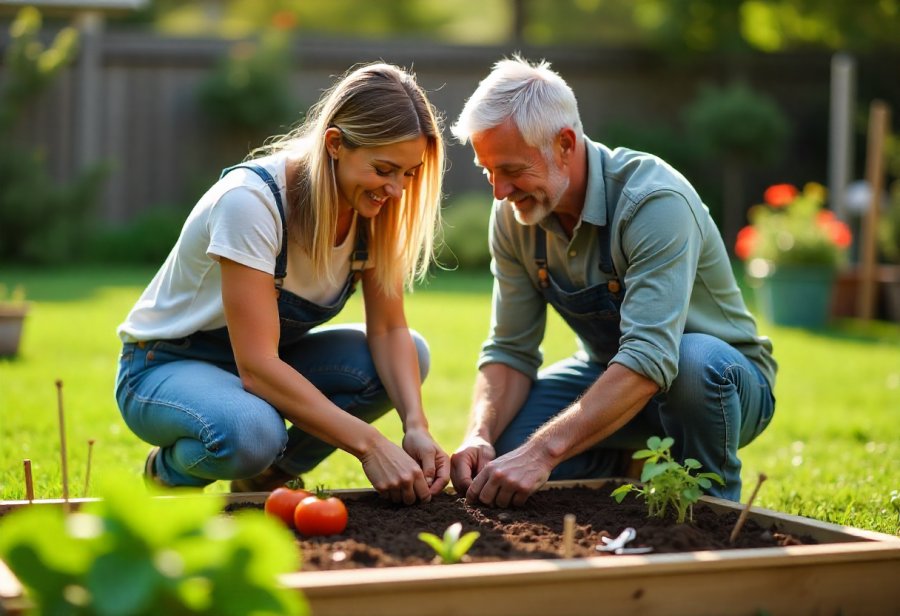
Embrace the Garden: Reflecting on Growth, Connection, and Healing
Gardening is more than just a way to grow plants; it’s a quiet yet powerful reminder of what truly matters—connection, patience, and growth. As we nurture seeds and watch them flourish, we simultaneously nurture our relationships and reconnect with the natural world around us. In a time when digital distractions often pull us apart, tending a garden offers a simple, grounding activity that brings people together and restores a sense of calm and purpose.
Working side by side in the garden creates authentic opportunities for meaningful interaction. Whether planting, watering, or harvesting, these shared efforts foster trust and understanding that deepen over time. The patience required to see plants grow mirrors the slow, steady process of building and strengthening bonds. This shared journey of growth encourages us to slow down, be present, and support each other through the ups and downs, transforming routine tasks into moments of connection.
Gardening also serves as a form of natural therapy, helping to reduce stress and boost mental well-being. The physical act of working with soil and plants stimulates our senses and triggers relaxation responses in the body. Being outdoors in nature lowers cortisol levels and lifts mood, especially when experienced together. These peaceful, collective activities create a space for emotional healing and resilience, reinforcing that growth—both in plants and in relationships—takes time, patience, and love.
This gentle practice reminds us that emotional healing is a gradual process, built through consistent effort and care. Just as plants need regular tending, relationships flourish when nurtured with kindness and attention. Routine acts like watering or pruning become symbols of ongoing commitment, fostering trust and vulnerability. Over time, these shared routines cultivate a garden of emotional strength, proving that meaningful bonds grow best when given space and patience to thrive.
Why not start today? Whether tending a small pot of herbs or collaborating on a backyard project, gardening offers a simple, accessible way to foster connection and resilience. Each act of care—no matter how small—plants seeds of trust and understanding, growing into lasting bonds. As we get our hands dirty and watch life unfold, we’re reminded that genuine growth is a slow, steady process rooted in love, patience, and shared purpose.