Underground street racing is more than just a high-speed pursuit; it’s a vibrant subculture rooted in loyalty, kinship, and rebellion. These races, often clandestine and dangerous, forge deep bonds among diverse participants, transforming fleeting adrenaline into lifelong connections. Why do racers risk police crackdowns and crashes for a sense of belonging that transcends mere speed? The scene’s rituals, secret meetups, and shared risks create a surrogate family where trust and mutual support are paramount. This culture influences urban fashion, music, and social identity, turning cars and streetwear into symbols of resilience and pride. Despite the chaos and danger, underground racing endures because it fulfills a fundamental human need for connection and purpose in marginalized communities. It questions whether loyalty can be built in chaos and if speed can truly unite a community—highlighting how resilience, trust, and rebellion shape urban life in ways that go far beyond the engines’ roar.
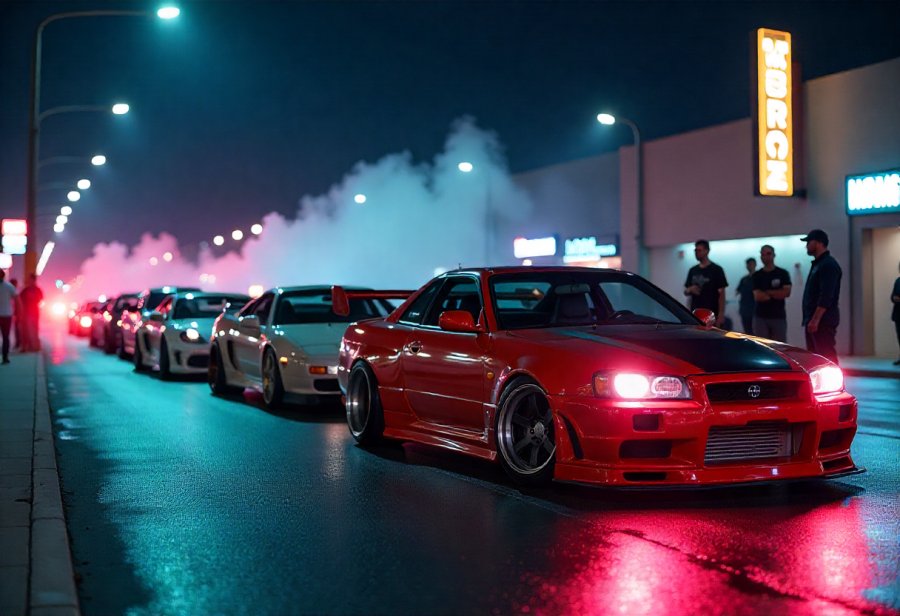
Underground Street Racing: From Shadows to Subculture
Underground street racing has evolved from informal get-togethers into a powerful subculture rooted in urban life. It all started with small groups of car enthusiasts challenging each other on quiet streets after dark, driven by the thrill of pushing their vehicles beyond legal limits. Over time, these spontaneous races grew into organized events with crews, rituals, and a shared sense of identity that went far beyond just racing. For many young drivers, street racing became a way to carve out a space for self-expression and rebellion against societal norms, turning speed into a statement of independence.
In neighborhoods where opportunities may seem limited, racing offers a different kind of escape—a chance to feel alive and in control. The scene is deeply tied to the desire to stand out, to break free from constraints, and to find belonging in a community that shares the same adrenaline-fueled passion. Races often happen under the cover of night, engines echoing through dimly lit streets and adding an air of secrecy that heightens the rush. Despite police crackdowns and legal risks, the scene continues to attract new generations eager to test their skills and connect with others who share their love for speed.
What truly sets underground racing apart is its community spirit. Cars are highly customized with modifications that reflect each driver’s personality—turbocharged engines, lowered suspensions, eye-catching paint jobs—all speaking to dedication and style. Night races in hidden locations foster trust and camaraderie, turning competitors into a makeshift family bonded by shared secrets and rituals. These relationships often extend beyond the race, forming a support system based on loyalty and mutual respect.
At its core, underground racing is about more than just speed; it’s about pushing boundaries—personal and mechanical. For many, it’s a way to feel alive and assert control in unpredictable environments. The culture influences fashion, music, and social interactions, creating a distinct urban identity that celebrates resilience and rebellion. Despite ongoing legal challenges, the scene’s resilience demonstrates how loyalty and community can flourish amid adversity, making underground racing a complex, meaningful part of city life.
Through shared risks and late-night work on their cars, racers forge bonds that run deep. Trust and loyalty become the foundation of relationships, built over secret meetups and unspoken rules that create a sense of belonging. Facing danger together—whether from police, crashes, or legal threats—strengthens these bonds, transforming fleeting races into lifelong commitments rooted in kinship.
Ultimately, underground street racing is a reflection of urban resilience. It offers marginalized youth and diverse communities a space to connect, support each other, and challenge societal expectations. These bonds, forged in speed and secrecy, demonstrate that loyalty and trust are universal human needs, capable of creating powerful, lasting relationships even amid chaos. The scene’s influence extends into fashion, music, and urban identity, making it more than just a sport—it’s a lifestyle that embodies rebellion, kinship, and the relentless pursuit of freedom.
Brotherhood on the Streets: Loyalty and Trust in Racing Circles
In underground street racing, the relationships between racers run far deeper than the thrill of the race itself. Trust and loyalty form the core of these bonds, forged through shared risks and late-night efforts that create a sense of brotherhood. Racers often keep secrets—hidden locations, specific modifications, or unspoken rules—that serve as symbols of mutual trust. These aren’t just safety precautions; they’re markers of allegiance, showing that each member has the other’s back no matter what happens on or off the street.
This sense of kinship is reinforced through rituals that have become cultural cornerstones. Secret meetups, pre-race routines, and hand signals aren’t mere customs; they’re language that cements a shared identity. These traditions deepen bonds, turning fleeting moments of adrenaline into rites of passage that strengthen community ties. Every nod, gesture, or shared secret becomes a thread weaving racers closer together, building a network of trust that withstands the chaos of the streets.
Facing danger together—whether it’s police raids, crashes, or legal threats—further cements loyalty. Crew members stand by each other in crises, risking their safety or freedom to support a teammate. It’s not just about winning; it’s about protecting each other in moments of need. These acts of loyalty transform transient street races into lifelong commitments rooted in mutual respect and trust, creating a family forged in adversity.
Night racing amplifies this sense of brotherhood. The darkness offers cover, fostering an environment of trust where crews gather in secret spots away from prying eyes. Under streetlights and neon signs, racers share more than adrenaline—they share a feeling of belonging. Late-night conversations, shared risks, and support during police crackdowns help forge bonds that feel unbreakable, turning a simple race into a symbol of loyalty and kinship.
Shared experiences—working late in garages, exchanging tuning tips, celebrating each other’s craftsmanship—are the foundation of these relationships. Respect and admiration grow naturally in a scene where skill, dedication, and style are valued just as much as speed. This culture of camaraderie turns a competitive environment into a supportive community, where loyalty and friendship are intertwined.
The loyalty within underground racing reflects a fundamental human need: connection. In neighborhoods where formal institutions seem distant, these crews become surrogate families, providing stability and belonging amid chaos. Their bonds challenge stereotypes of urban disorder, showing resilience and resilience rooted in trust and shared passion that can flourish even in the harshest environments.
Through rituals, secrets, and shared hardships, these relationships become lifelong traditions. They turn fleeting moments of adrenaline into enduring bonds that survive police crackdowns, crashes, and time. In this scene, loyalty isn’t superficial—it’s a vital force that unites racers beyond the asphalt, turning speed into a language of kinship and trust that sustains the community long after the engines have cooled.
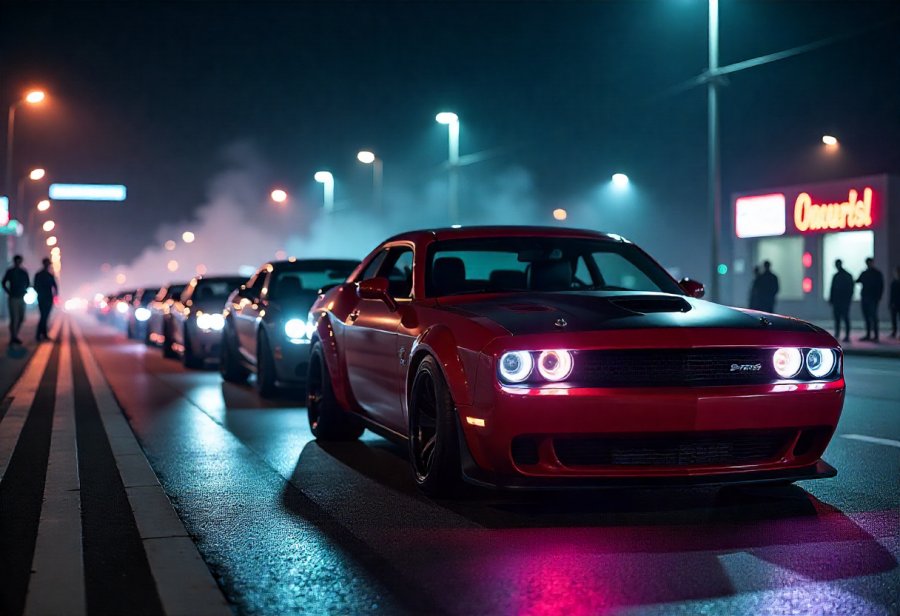
Urban Resilience and Influence: How Underground Racing Shapes Communities
Underground street racing shapes urban communities in ways that go beyond the adrenaline of a midnight race. For many participants, these clandestine events become a source of identity and purpose, especially in neighborhoods where opportunities feel scarce. The crews and circles that form around racing often serve as surrogate families, providing emotional support, stability, and a sense of belonging that might be missing elsewhere. Loyalty and trust are built through shared risks and late-night efforts, creating bonds that extend beyond the streets and into everyday life.
On a broader scale, underground racing influences local economies and social dynamics in complex ways. Small tuning shops, aftermarket parts vendors, and apparel brands thrive off the scene’s demand, fueling a vibrant underground economy rooted in rebellion and style. These gatherings also foster a distinct urban identity—one centered on resilience, creativity, and defiance—that challenges stereotypes of disorder. However, authorities view illegal racing as a threat to public safety, often responding with crackdowns and increased patrols, which tend to push races into even more hidden, risky locations.
Despite the dangers, the scene continues to forge strong social bonds. Racers from diverse backgrounds come together, united by a shared passion for speed and a collective desire to push boundaries. The loyalty within these groups is reinforced through shared rituals—secret meetups, pre-race routines, and unspoken rules—that deepen bonds and create a sense of continuity amid chaos. Acts of sacrifice, like risking legal trouble or injury to support a teammate, turn fleeting street races into lifelong commitments. These acts of loyalty and mutual respect transform a momentary thrill into a community that withstands the pressures of law enforcement and accidents alike.
The influence of underground racing extends into cultural expressions that shape urban style and music. Custom jackets, streetwear, and bold visuals serve as symbols of allegiance, while hip-hop and trap beats provide the soundtrack for gatherings—fueling the raw energy and rebellious attitude that define the scene. Social media and online forums further strengthen connections, allowing members to exchange tips, celebrate craftsmanship, and share stories that reinforce their shared identity. This cultural fabric not only elevates individual expression but also solidifies the scene’s role as a vital part of urban resilience and identity.
In the end, underground racing creates a complex web of relationships rooted in loyalty, trust, and shared experience. It offers marginalized youth and diverse communities a space to connect, support each other, and challenge societal expectations. These bonds, forged in secrecy and speed, highlight a powerful form of urban resilience—one that proves loyalty and kinship can thrive even amid chaos. Recognizing this, we see that street racing is far more than a reckless pursuit; it’s a vibrant, enduring expression of community that continues to shape and redefine urban life.
Culture in Motion: Fashion, Music, and Social Bonds of the Scene
Underground street racing is more than just a high-speed pursuit; it’s a powerful influence on urban style and cultural expression. Racers often showcase their identity through bold, customized fashion—think streetwear, jackets, and caps that symbolize crew allegiance and personal flair. These styles speak volumes without a word, turning clothing into a visual language of loyalty and pride within the scene. Over time, this streetwear has evolved into a signature look, instantly recognizable and deeply rooted in rebellion and community.
Music plays a vital role in shaping the atmosphere of these underground gatherings. The beats of hip-hop, trap, and electronic music set the tone, fueling the adrenaline and energy that define the scene. These genres not only resonate with themes of resilience and defiance but also serve as a unifying soundtrack for racers and fans alike. When the engines roar and basslines pulse through the night, they amplify the raw, rebellious spirit that embodies urban racing culture.
Social interactions extend well beyond the races. Online forums, social media, and casual meetups become hubs for sharing tips, stories, and craftsmanship. Enthusiasts exchange advice on modifications, celebrate each other’s unique styles, and build a sense of community grounded in mutual respect. These digital spaces help maintain connections and reinforce identity, turning fleeting moments of adrenaline into lasting bonds that transcend the streets.
The influence of street racing culture is evident in everyday urban life. Participants often adopt distinctive styles and attitudes that reflect their connection to this rebellious ethos. From fashion choices to the way they carry themselves, their presence adds a layer of attitude and resilience to their neighborhoods. This aesthetic becomes a badge of honor, symbolizing resilience and defiance against societal norms, and inspiring local trends in fashion and music.
Economically, the scene supports a vibrant underground market. Small garages and aftermarket shops thrive on customizations, offering parts and tuning services that help racers craft their signature rides. Streetwear brands and social media influencers further spread the scene’s style and attitude, amplifying its reach beyond the local scene. Despite crackdowns and legal risks, the culture’s influence persists, driven by a community eager to express its identity through speed and style.
Some cities are now exploring sanctioned events and drift days as safer outlets, aiming to preserve the community spirit while reducing risks. Mentorship programs and responsible modification initiatives help channel the scene’s energy into positive directions. These efforts reflect a recognition of the cultural value and resilience embedded in underground racing, seeking to sustain its core identity while prioritizing safety.
In essence, underground street racing’s impact extends far beyond the asphalt. It shapes urban fashion, music, and social bonds—creating a vibrant, dynamic lifestyle rooted in rebellion, loyalty, and resilience. This culture turns speed into a form of self-expression and community building, leaving a lasting imprint on the city’s identity and the lives of those who live for the night and the roar of engines.
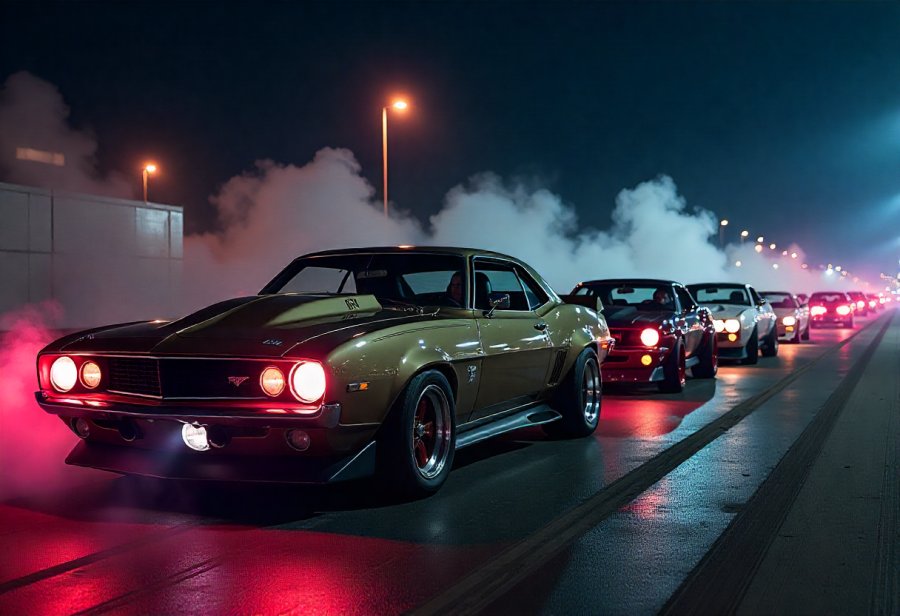
Loyalty Beyond Speed: Reflecting on the Deep Bonds of Racing Families
Underground racing brotherhoods embody more than just a shared passion for speed; they represent a profound set of values rooted in loyalty, trust, and community. These bonds are built through shared risks, secret rituals, and a collective love for the scene, transforming fleeting moments on the street into lifelong relationships. Their loyalty isn’t superficial; it’s tested in times of danger, legal threats, or personal setbacks, making these connections remarkably resilient and genuine.
This sense of kinship is reinforced by customs passed down through generations—handshakes, pre-race routines, and secret meeting spots—that serve as symbols of belonging. These rituals turn adrenaline-fueled encounters into traditions, creating a fabric of continuity that sustains relationships beyond the asphalt. The rituals forge trust and provide stability in a chaotic environment, turning racing into a language of kinship that unites members even in the face of adversity.
The scene’s social fabric often functions as a surrogate family, especially for those feeling disconnected from mainstream institutions. Within these crews, loyalty and mutual support replace feelings of alienation, offering mentorship and resilience amid urban challenges. Sharing late nights working on cars or exchanging tuning tips deepens bonds, creating a network of support that helps members navigate hardships and find purpose beyond the streets.
Despite the romantic allure, risks are ever-present. High speeds, unpredictable roads, and minimal safety measures mean accidents and injuries are all too common. Police crackdowns and community tensions only push races into more hidden, dangerous locations. Yet, the community’s resilience persists, driven by a deep human need for connection and belonging that outweighs the dangers.
This culture challenges traditional social hierarchies, emphasizing trust and shared experience over wealth or status. Strangers become brothers and sisters through rituals and secrets, fostering an inclusive environment that defies stereotypes of urban disorder. Their cohesion shows a powerful form of urban resilience—one rooted in loyalty, collective passion, and the unbreakable human desire for kinship.
The influence of these bonds extends into urban style and identity. Custom jackets, streetwear, and visual symbols of allegiance reflect a shared attitude of rebellion and pride. Music genres like hip-hop and trap serve as a soundtrack to their gatherings, amplifying the raw energy and collective spirit that define their community. These elements reinforce a sense of belonging that is both visible and visceral.
Recognizing the cultural significance of underground racing reveals its role as a vital form of urban resilience. It offers marginalized youth and diverse communities a space to connect, support, and challenge societal norms. The loyalty and trust cultivated here sustain a community that thrives despite adversity, turning speed into a language of kinship and resistance. Their bonds remind us that, beyond the engines and streets, human connection remains a powerful force capable of creating lasting change and unity in the heart of the city.