Imagine transforming your organization’s communication system into a tailored, highly efficient network that adapts seamlessly to your unique needs. Grandstream’s innovative telephony solutions make this possible—could customization be the key to unlocking unparalleled operational agility? Their carrier-grade IP phones, like the GRP series, support centralized management through GDMS, enabling quick deployment and real-time monitoring across multiple locations. These devices are designed not just for reliability but for flexibility, with features like programmable keys, Wi-Fi connectivity, and advanced call routing that empower your team to serve customers better and faster. Incorporating robust security, QoS prioritization, and integration with enterprise tools, Grandstream transforms traditional communication into a strategic asset. Could the secret to boosting network efficiency and customer satisfaction lie in harnessing these customizable, scalable solutions? As communication needs evolve, these adaptable systems position your organization to stay ahead in a competitive, connected world.
Enhance Your Business Communication with FiberConX’s Advanced VoIP Solutions in Canada
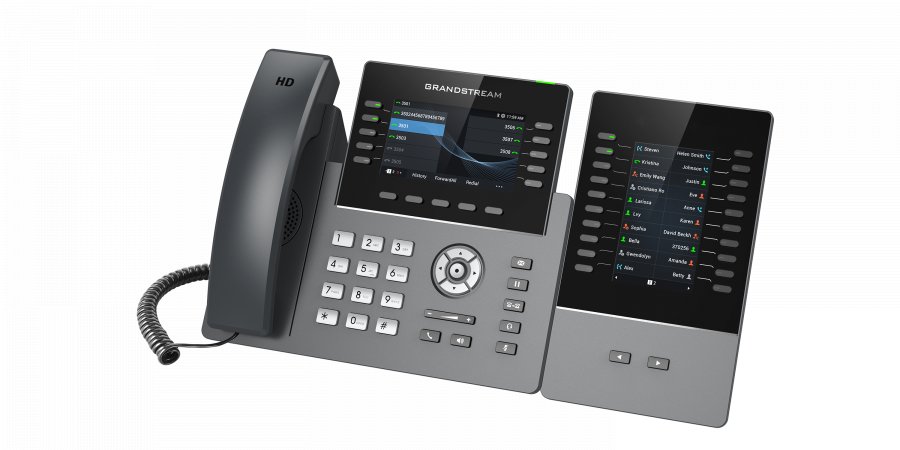
Discover the power of reliable VoIP & IP Business phone services with FiberConX Communications in Canada. Our comprehensive solutions include features like voicemail, IVR, Ring Groups, and voicemail-to-mail, ensuring seamless communication for your business. Whether you need personalized call handling or advanced routing, FiberConX has you covered. Elevate your business communication by partnering with FiberConX and experience unmatched service quality. For inquiries, contact us at [email protected] or call 1.800.961.6856. Explore our offerings through GRP2614 and see how we can help streamline your business communications today.
Transform Communication with Customizable Telephony Systems
In today’s business landscape, effective communication stands as a cornerstone of success. The days of rigid, one-size-fits-all phone systems are fading, replaced by flexible, customizable telephony solutions that adapt to specific organizational needs. These tailored systems empower companies to design communication environments that align perfectly with their workflows, departmental functions, and growth strategies. Instead of forcing teams into predefined molds, businesses can craft setups that enhance productivity, streamline interactions, and improve overall responsiveness.
Customizable telephony isn’t just about choosing different hardware or software; it’s about shaping an entire communication ecosystem that works seamlessly for your operations. This includes selecting devices suited to distinct roles—such as IP phones with programmable keys for sales teams or advanced call routing for customer support. When each element is tailored to fit the purpose, employees spend less time navigating complex systems and more time engaging with customers or completing tasks. The result is a smoother, more efficient communication flow that directly impacts service quality and operational agility.
Integration plays a vital role in making telephony truly adaptable. Modern solutions can connect effortlessly with a variety of enterprise tools, including customer relationship management (CRM) platforms and helpdesk systems. These integrations enable instant access to relevant customer data during calls, facilitate click-to-dial functions, and display caller ID information with context. Such features turn a simple phone call into a strategic touchpoint—empowering employees to respond faster, make informed decisions, and deliver a more personalized service experience.
Call routing customization further elevates the potential of tailored telephony. Instead of standard call forwarding, organizations can set rules based on time, caller identity, or department. For example, after-hours calls can be directed to voicemail or on-call personnel, while VIP clients are routed directly to specialized agents. This precise control reduces wait times, ensures inquiries reach the right team member, and enhances overall customer satisfaction. It’s a reflection of a deeper understanding of operational priorities and customer expectations, all built into the communication infrastructure.
The rise of cloud-based management platforms has dramatically simplified how businesses deploy and maintain these customized systems. With centralized control interfaces, administrators can manage device settings, configure call flows, and monitor performance remotely. This approach eliminates the need for extensive on-site technical support, accelerates deployment across multiple locations, and allows for rapid adjustments as needs evolve. Cloud management not only enhances flexibility but also ensures that the communication system remains aligned with changing business demands.
Hardware innovations, such as Grandstream’s IP phones, exemplify how device design supports customization. These phones often feature intuitive interfaces and programmable keys, enabling users to personalize their experience—whether by assigning speed dial buttons, setting presence statuses, or configuring specific functions. When integrated with cloud management tools, these devices can be reconfigured swiftly to accommodate new workflows or organizational changes, minimizing downtime and maintaining operational continuity. This hardware-software synergy makes it easier than ever to adapt to a dynamic business environment.
Implementing a customized telephony system requires a strategic approach. It begins with understanding your specific needs—how many users will rely on the system, which features are critical, and how your workflows are structured. Conducting a thorough assessment helps identify the best devices and configurations, ensuring that each element supports your operational goals. Thoughtful planning also involves standardizing deployment procedures, training staff on new features, and establishing routines for ongoing maintenance. This groundwork sets the stage for a resilient, scalable communication environment that grows with your business.
Ultimately, the power of customizable telephony lies in its ability to transform communication from a static necessity into a strategic asset. By tailoring your system to fit your unique workflows and leveraging cloud management and innovative devices, you create a flexible, efficient, and responsive network. This adaptability not only improves day-to-day operations but also positions your organization to meet future challenges with confidence. As communication needs evolve, so too can your system—giving you a competitive edge in an increasingly connected world.

Master the Art of Telephony Customization for Business Success
Customizing telephony solutions means shaping your entire communication environment to fit your business’s unique needs, rather than relying on generic, one-size-fits-all systems. It’s about selecting the right devices, configuring features, and designing workflows that align directly with how your teams operate daily. This tailored approach streamlines interactions, reduces manual effort, and boosts overall efficiency, helping your organization stay agile in a competitive landscape.
Device selection is a foundational element in telephony customization. Different roles require different tools; sales teams might benefit from IP phones with programmable keys for quick dialing and speed access, while customer support agents need advanced call routing or queue management features. By matching device capabilities to specific responsibilities, businesses can minimize frustration, speed up response times, and ensure employees have the right tools to excel. This targeted setup translates into better service for customers and more productive teams.
Integration with enterprise software is another key aspect. Modern telephony solutions can connect seamlessly with customer relationship management (CRM) platforms, helpdesk systems, and other tools. When these integrations are tailored to your workflows, employees gain instant access to relevant data during calls, can initiate calls directly from their screens with click-to-dial, and see caller IDs with detailed context. These enhancements turn ordinary calls into strategic touchpoints, enabling faster, more informed responses that improve customer satisfaction and operational efficiency.
Call routing customization takes this a step further by giving you control over how incoming calls are directed. Instead of just forwarding calls, you can create rules based on time, caller identity, or department. For example, after-hours inquiries might go straight to voicemail or an on-call team, while VIP clients are routed directly to specialized agents. This level of precision ensures each call reaches the right person at the right moment, reducing wait times and elevating the overall customer experience. It reflects a nuanced understanding of your operational priorities and customer expectations.
Cloud-based management platforms have revolutionized how organizations deploy and maintain these personalized systems. With centralized control interfaces, administrators can manage device settings, configure call flows, and monitor performance remotely. This flexibility simplifies scaling, allowing quick adjustments as your business grows or shifts. It also minimizes the need for extensive on-site technical support, saving time and resources while maintaining a resilient, responsive communication infrastructure.
Choosing the right devices and configurations involves strategic planning. You need to understand your operational needs—how many users rely on the system, which features are essential, and how workflows are structured. Devices like Grandstream’s IP phones combine ease of use, scalability, and rich customization options, making them ideal for tailored solutions. Standardized deployment procedures, staff training, and ongoing maintenance routines are crucial to ensure your system remains reliable, adaptable, and aligned with evolving business demands.
Implementing a customized telephony environment isn’t a one-time effort but an ongoing process. Regular feedback from users, performance monitoring, and exploration of new features keep your system aligned with changing needs. This continuous refinement turns telephony from just a communication tool into a strategic asset that supports growth, enhances responsiveness, and improves overall operational agility. When your communication infrastructure adapts seamlessly to your business, it becomes a powerful driver of success in today’s fast-paced world.

Enhance Network Performance and Security with Grandstream Solutions
Grandstream’s devices and solutions are engineered to significantly boost network performance, especially when it comes to communication systems. Their IP phones, such as the GRP series, are built to handle high call volumes reliably while supporting cloud provisioning and centralized management. This design allows IT teams to deploy, configure, and monitor hundreds of devices efficiently, reducing downtime and minimizing manual errors. With streamlined device management, organizations can focus more on core operations rather than troubleshooting or maintaining infrastructure.
One of the key strengths of Grandstream’s offerings is their scalability and ease of deployment. Using the Grandstream Device Management System (GDMS), administrators can oversee all devices from a single interface, regardless of their location. This centralized control simplifies scaling efforts as your business expands or enters new markets, enabling quick updates or reconfigurations without disrupting daily workflows. Managing devices remotely minimizes on-site visits, saving time and resources while maintaining consistent performance across multiple sites.
Hardware innovations further enhance network efficiency. Wi-Fi-enabled IP phones eliminate the need for extensive wiring, allowing flexible placement and faster setup in various environments. These devices support advanced voice codecs and network optimization features that conserve bandwidth, ensuring clear, high-quality audio even in congested networks. This bandwidth management prevents call quality issues and maintains reliable voice traffic, which is crucial for professional communication and customer satisfaction.
Security remains a core focus for Grandstream. Their devices incorporate robust encryption protocols and secure provisioning methods to protect sensitive data and communications from cyber threats. Regular firmware updates and security patches, delivered through centralized management platforms, help patch vulnerabilities quickly, maintaining network integrity. This proactive security approach allows organizations to expand their communication infrastructure confidently, knowing their data remains protected as they grow.
Beyond individual devices, Grandstream’s solutions foster a resilient and interconnected communication ecosystem. Features like intelligent call routing, load balancing, and failover capabilities ensure continuous operation during peak usage or outages. These tools help maintain seamless communication, which is vital for business continuity and customer trust. By integrating effortlessly with existing network infrastructure and enterprise applications, Grandstream enables organizations to build a flexible yet reliable communication system that supports ongoing growth and innovation.
Network optimization with Grandstream devices also involves prioritizing voice traffic to prevent disruptions. Support for Quality of Service (QoS) mechanisms ensures that voice calls receive precedence over less critical data, maintaining high call quality during busy periods. This seamless prioritization is essential for ensuring professional, clear communication without lag or dropouts, especially in environments with high network traffic. It guarantees that your team and customers stay connected with minimal frustration or delays.
Furthermore, the management tools provided by Grandstream enable proactive monitoring of network health. Administrators can track device performance, identify potential issues early, and perform remote diagnostics. This real-time visibility helps prevent problems before they escalate, minimizing downtime and ensuring consistent service levels. Such proactive oversight is especially valuable for organizations with multiple locations or remote teams, where centralized control is key to maintaining operational efficiency.
The integration capabilities of Grandstream’s solutions extend beyond hardware. Their systems are designed to work seamlessly with popular enterprise tools, including CRM platforms and helpdesk software. This interoperability enhances workflow automation, allowing for click-to-dial functions, caller ID with detailed context, and instant access to customer information. These features turn communication from a simple exchange into a strategic advantage, boosting productivity and elevating customer experiences across the board.
In essence, Grandstream’s devices and solutions are more than just hardware—they are the backbone of a smarter, more efficient network. By combining scalable deployment features, advanced security, intelligent routing, and seamless integration, they enable organizations to optimize their communication infrastructure for current needs and future growth. This comprehensive approach ensures that your network isn’t just functional but is optimized for agility, reliability, and long-term success.