Learning to drive marks a pivotal moment in adolescence, blending excitement with intense anxiety as teens navigate their first steps toward independence. What happens behind the wheel isn’t just about mastering steering or braking, but about overcoming internal fears rooted in brain development and emotional vulnerabilities. As teens grapple with peer judgment, self-doubt, and the pressures of maturity, their confidence hinges on supportive environments, gradual exposure, and positive reinforcement. This guide reveals proven strategies—starting in familiar settings, employing mental techniques, and utilizing tools like simulators—to transform nervous energy into genuine self-assurance. But can patience and consistency truly turn initial hesitation into steady confidence? The journey to confident driving reflects broader life skills—resilience, decision-making, and emotional strength—that extend beyond the road. Embracing these principles helps teens not only conquer their fears but develop into responsible, resilient individuals prepared for future challenges.

Building Teen Driving Confidence: Navigating Excitement and Anxiety
Learning to drive is a milestone filled with a mix of excitement and nerves. For teenagers, it symbolizes independence, growth, and the thrill of taking on new responsibilities. But behind the wheel, those feelings often turn into anxiety—sweaty palms, cautious glances in mirrors, and a fear of making mistakes that could have serious consequences. This emotional rollercoaster highlights that learning to drive isn’t just about mastering steering or braking; it’s about managing internal fears and building trust in oneself.
Building confidence is crucial because it directly influences how safely and comfortably teens navigate the road. When they trust their abilities, they become more alert, make decisions more quickly, and handle unexpected situations with greater calm. Confidence isn’t just a feeling—it’s a skill that grows through experience, patience, and support. Without it, even the most skilled teen can feel overwhelmed by traffic or complex driving scenarios, which increases the risk of hesitation or poor choices.
Many teens face common fears—stalling the car, turning onto busy streets, or feeling lost in unfamiliar areas. These worries are natural and part of the learning process, but if left unaddressed, they can erode self-confidence. Recognizing that nerves are normal helps normalize the experience, making setbacks feel like part of growth rather than signs of failure. In a supportive environment, teens can see mistakes as opportunities to learn, rather than as proof they’re not cut out for driving.
Supporting teens through this phase involves more than just technical lessons; it’s about creating a safe space where they feel comfortable to make mistakes and grow from them. Encouragement and patience from parents, instructors, and friends foster a positive mindset. When teens receive consistent reassurance, they’re more willing to practice, take on new challenges, and gradually transform nervous energy into genuine confidence on the road.
As they gain experience, teens start viewing driving as a manageable challenge rather than an insurmountable obstacle. Starting in familiar areas and progressing gradually to more complex roads helps them develop a sense of control. This step-by-step approach transforms initial anxiety into steady confidence, laying the foundation for responsible independence. Helping teens build this trust isn’t just about safer driving; it’s about supporting their emotional growth and resilience, skills that will serve them well beyond the car.
The Hidden Psychology of Teenage Driving Fears
Teen driver anxiety isn’t just about unfamiliar roads or busy intersections; it’s rooted deeply in how their minds develop during adolescence. Their brains, especially the prefrontal cortex responsible for decision-making, impulse control, and risk assessment, are still maturing. Because this part of the brain isn’t fully developed, teens often see danger differently from adults. They might overestimate risks or feel overwhelmed by complex driving situations, which can shake their confidence and lead to hesitation behind the wheel.
Emotional factors amplify these challenges. Teenagers are particularly sensitive to failure and peer judgment, which can heighten their fears of making mistakes. Worrying about what friends or parents might think if they slip up adds pressure and fuels anxiety. Past stories of accidents or near-misses—whether personal or shared—can also magnify these fears, making each drive seem like a high-stakes test. When teens focus more on potential errors than their progress, their anxiety can spiral, eroding their confidence even further.
Peer influence plays a significant role. Teens are highly tuned to social acceptance, so the fear of embarrassment can cause them to second-guess their actions or avoid certain driving situations altogether. This social pressure can slow their confidence-building process, making them hesitant even when they’re capable. Recognizing how peer dynamics impact their emotional state helps parents and instructors provide better support, creating environments where teens feel safe to take risks and learn.
Support from adults can either bolster or undermine confidence. Overly critical feedback, constant corrections, or emphasizing mistakes can reinforce self-doubt, making teens feel incapable. Conversely, positive reinforcement and understanding foster emotional resilience. When teens feel trusted and supported, they’re more likely to manage their fears, viewing mistakes as natural steps in learning rather than signs of failure.
Adolescence itself complicates confidence development. This period is marked by identity formation and a desire for independence, coupled with emotional upheaval. Teens want to prove themselves but also fear rejection. These internal conflicts make driving—something that symbolizes independence—feel both exciting and intimidating. Their eagerness to assert independence clashes with their fear of failure, which can hinder full engagement with the learning process.
Understanding these psychological and emotional influences reveals that building confidence involves more than technical skills. It requires addressing internal fears, managing emotional responses, and creating a supportive environment. When teens learn to cope with their nerves through reassurance, patience, and gradual exposure, they start to see driving as an achievable challenge rather than an insurmountable obstacle. This internal work helps lay the groundwork for genuine confidence that extends well beyond the road.
Helping teens navigate these internal struggles isn’t just about safer driving; it’s about fostering emotional resilience and self-trust. When they feel secure in their abilities, they’re more likely to make responsible decisions and respond calmly to surprises on the road. The confidence built during this phase isn’t just for driving—it’s a foundation for handling stress, making decisions, and facing challenges in many areas of life.
Proven Strategies to Boost Teen Driving Self-Assurance
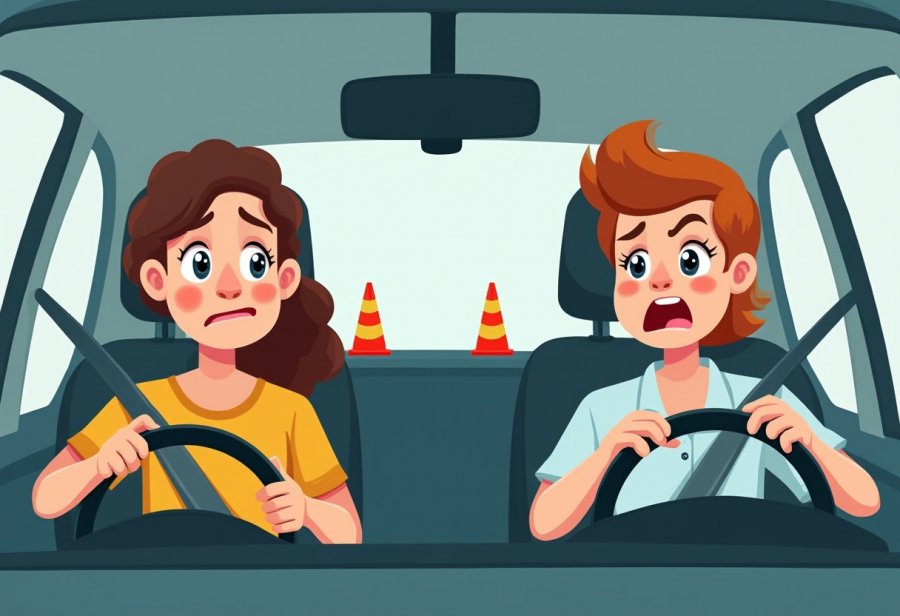
Supporting teens in building confidence behind the wheel means combining practical steps with emotional encouragement. One of the most effective approaches is starting with familiar, low-pressure environments. Short trips around quiet neighborhoods allow teens to focus on honing basic skills like steering, acceleration, and mirror checks without feeling overwhelmed. As their comfort grows, gradually introduce more challenging scenarios—busy intersections, highway merges, or unfamiliar routes—so they develop adaptability and a sense of mastery over different driving conditions.
Creating a positive, supportive atmosphere is just as crucial as the practice itself. Praise small successes, such as smooth parking or confident lane changes, to reinforce progress. When corrections are needed, deliver them calmly and constructively, framing mistakes as natural parts of learning rather than failures. This kind of feedback builds trust and encourages teens to see setbacks as opportunities to improve, rather than reasons to doubt their abilities. The goal is to foster a mindset where they feel safe to take risks and learn from each experience.
Incorporating mental techniques—like deep breathing, visualization, or mindfulness—can also help teens manage nerves during drives. Imagining themselves navigating a tricky route smoothly before actually driving can calm anxiety and boost confidence. Pairing these mental strategies with real-world practice creates a powerful combination that helps teens stay focused and composed, even in stressful situations. This mental preparation can make a significant difference in how they handle unexpected challenges on the road.
Consistency in practice is key to building lasting confidence. Repeating familiar routes until they feel second nature helps reinforce good habits and reduces hesitation. As teens become more comfortable with different driving environments, their ability to respond calmly to surprises improves. Supporting this process with patience and positive reinforcement encourages perseverance, making each drive a step toward greater independence. Over time, these repeated experiences turn initial nerves into genuine self-assurance.
Using additional tools like driving simulators or checklists can accelerate confidence-building. Simulators offer a risk-free way to practice complex scenarios repeatedly, helping teens develop decision-making skills and muscle memory. Checklists serve as mental guides, ensuring they’re prepared physically and emotionally before each drive. These resources make practice more engaging and focused, providing tangible evidence of progress that motivates teens to keep pushing forward.
Patience and persistence are vital. Every teen learns at their own pace, and rushing can cause setbacks. Celebrate small victories along the way—like confidently navigating a busy intersection or handling a new route—to keep motivation high. Recognizing that confidence develops gradually helps teens see their progress and stay committed. With consistent effort, supportive environments, and a focus on gradual exposure, teens can transform their nerves into genuine confidence, paving the way for safer, more independent driving.
Putting Confidence-Boosting Techniques Into Practice on the Road
Applying confidence-boosting strategies in real-world driving situations is essential for teens to turn their skills and nerves into genuine self-assurance. Starting with familiar routes, like quiet neighborhood streets, provides a calm environment where they can focus on mastering basic skills such as steering, braking, and mirror checks. Repeating these routines helps build muscle memory and creates a sense of control, laying a solid foundation for more complex challenges ahead.
As their comfort grows, gradually introduce busier settings—intersections, highway merges, or unfamiliar roads. This step-by-step exposure helps reduce feelings of being overwhelmed and builds adaptability. Repetition in these environments makes new challenges feel less intimidating, reinforcing their ability to respond calmly and confidently to unexpected situations.
Providing real-time feedback during drives is crucial. Instead of focusing on every mistake, offer gentle corrections and highlight what they’re doing well. This positive reinforcement encourages teens to stay engaged and view errors as natural steps in learning, not failures. Feeling supported makes them more willing to take risks and continue practicing in demanding situations.
Encouraging mental techniques like deep breathing or visualization during drives can help teens stay focused and calm, especially when facing tricky scenarios. Imagining a smooth drive before tackling a challenging route can reduce nerves and boost confidence. Combining these mental strategies with practical driving practice creates a powerful toolkit for managing stress and building resilience.
Consistency in practice remains key. Repeating familiar routes until they feel second nature helps teens internalize safe habits and reduces hesitation. As experience accumulates, their ability to handle surprises improves, making driving feel more manageable. Supporting this progress with patience and encouragement fosters perseverance and resilience, turning initial anxiety into genuine confidence.
Tools like driving simulators and checklists can further accelerate confidence development. Simulators allow teens to practice complex scenarios repeatedly without risks, sharpening decision-making and muscle memory. Checklists serve as mental guides, ensuring they’re physically and emotionally prepared before each drive. These resources make practice engaging and focused, showing tangible progress that motivates continued effort.
Patience is vital. Each teen learns at their own pace, and rushing can cause setbacks. Celebrating small victories—like confidently navigating a busy intersection—keeps motivation high. Recognizing that confidence builds gradually helps teens see their growth, reinforcing their commitment. With consistent effort, a supportive environment, and gradual exposure, teens can turn their nerves into genuine confidence, paving the way for safer, more independent driving.
Guiding Teens Toward Safer, Confident Independence in Driving
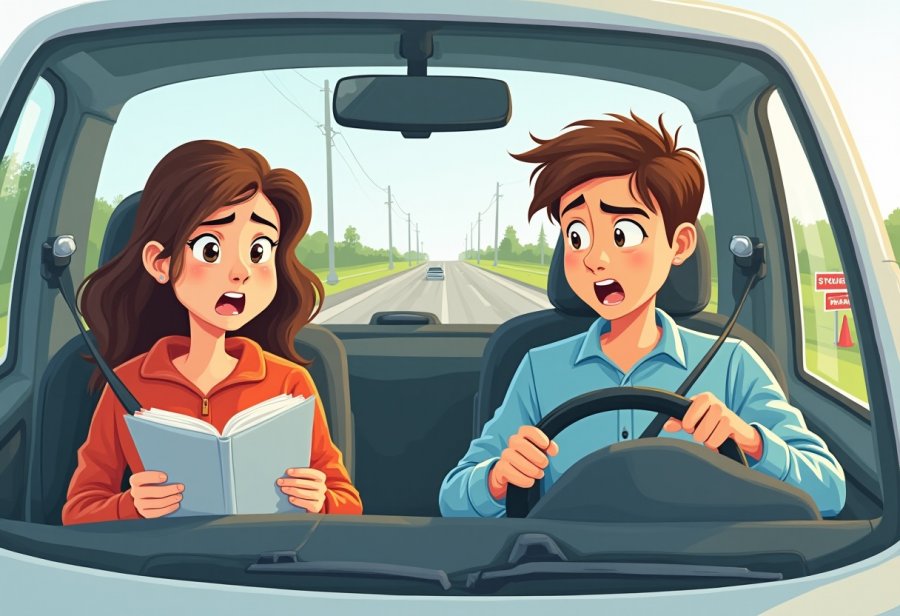
Building confidence behind the wheel is an ongoing journey that combines patience, consistent practice, and positive reinforcement. It’s not just about reaching a milestone but about fostering a mindset of growth and resilience. As teens navigate their first experiences, emphasizing their progress—no matter how small—helps build a sense of achievement and self-trust. Celebrating these wins encourages them to persist through challenges and view setbacks as natural steps in learning.
Looking ahead, creating a supportive environment remains crucial. Encouraging teens to see mistakes as opportunities rather than failures helps develop emotional resilience and a healthier attitude toward driving. Providing tools like simulators, checklists, and tailored guidance can make practice more engaging, realistic, and less intimidating. These resources serve to reinforce skills, track progress, and boost confidence, making the road to independence feel more manageable.
The goal extends beyond passing a driving test. It’s about preparing teens for responsible decision-making and independence in all areas of life. When they believe in their ability to handle different situations calmly and confidently, they’re more likely to make thoughtful choices and respond effectively to surprises. This foundation of emotional strength and self-trust will benefit them well into adulthood, shaping their approach to risk and problem-solving.
Future innovations in driver education, such as virtual reality and personalized coaching, promise even more effective ways to address individual fears and strengths. These advancements can create immersive, risk-free environments where teens practice complex scenarios repeatedly, building mastery and reducing anxiety. By embracing these evolving tools, we can make learning to drive less daunting and more empowering.
Supporting teens in transforming nerves into confidence isn’t just about safer driving; it’s about nurturing capable, resilient individuals. Each step forward—no matter how small—contributes to their growth and independence. With consistent effort, patience, and a caring approach, we help them develop not only driving skills but also essential life skills like self-regulation, decision-making, and perseverance.
This journey relies on fostering a mindset that views mistakes as valuable learning experiences. When teens understand that confidence is built gradually, they become more willing to take risks, learn from setbacks, and push past their fears. Encouragement and positive reinforcement reinforce this process, making the path to confident driving feel achievable rather than intimidating.
By continuing to support their development with understanding, tools, and patience, we can help teens turn initial nerves into lasting confidence. This transformation prepares them not just for the road, but for many challenges ahead—equipping them with resilience, independence, and a proactive attitude. Every effort invested now sets the stage for safer, more self-assured drivers who carry these lessons into every aspect of their lives.