Mastering calm leash walking with your dog isn’t just about manners; it’s about building a deep bond rooted in trust, communication, and mutual respect. Imagine turning often frustrating outings into peaceful moments of connection—yet, how do you navigate the common hurdles like pulling, distractions, or anxiety? This guide reveals that success hinges on patience, consistency, and positive reinforcement, transforming training into a rewarding journey. From understanding canine behavior to choosing the right equipment and gradually increasing challenges, you’ll learn practical steps for fostering focus and self-control. But what if setbacks occur? The key lies in strategic troubleshooting—resetting in calmer environments, rewarding calmness, and tailoring techniques to your dog’s unique temperament. Will your next walk become a shared experience of confidence and calm? With the right approach, every outing becomes a testament to your partnership, creating joyful routines that strengthen your bond and turn training hurdles into triumphs.
Build Trust and Joy Through Calm Dog Walking
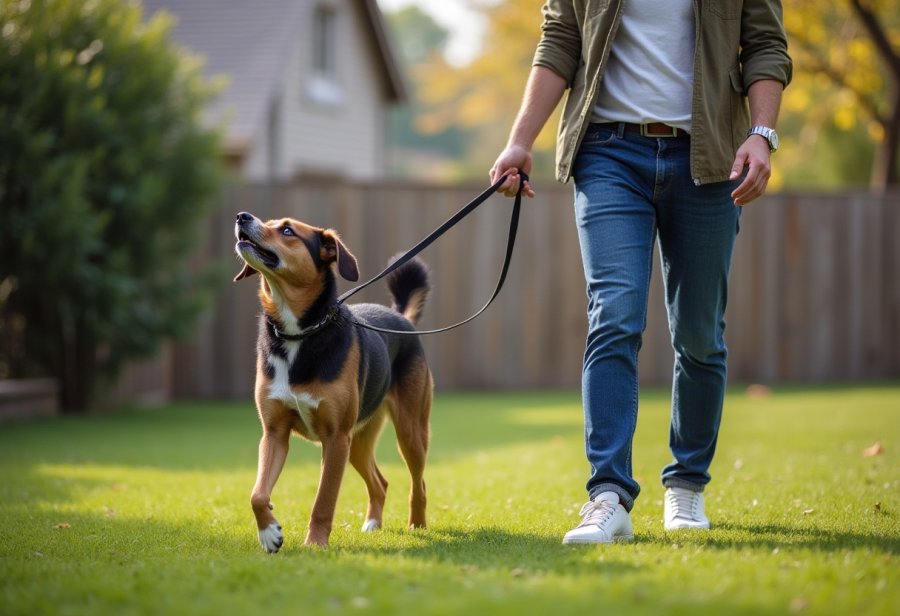
A calm, controlled walk with your dog isn’t just about good manners—it’s about building trust and strengthening your bond. When your dog learns to walk peacefully at your side, every outing becomes a shared experience of cooperation and respect. This harmony transforms what can often feel like a frustrating task into a relaxing routine you both enjoy. It’s not just obedience; it’s about creating a partnership where communication flows smoothly and both of you feel confident.
Learning to walk calmly on a leash lays the foundation for safer, more enjoyable outings. When your dog stays focused and relaxed, you’re more in control, which reduces the risk of accidents or conflicts with other dogs and people. Plus, a peaceful walk helps your dog develop better self-control, benefiting their behavior in other settings. These walks become moments of connection rather than stress, fostering patience, respect, and attentiveness that carry over into daily life.
Mastering this skill takes patience, consistency, and positive reinforcement. Instead of punishing mistakes, rewarding good behavior makes your dog feel safe and motivated to learn. This approach creates a supportive environment where calm leash walking becomes second nature. With regular practice, peaceful walks turn into opportunities for mutual trust and joy, deepening your bond and making outings more pleasant for both of you.
Remember, progress doesn’t happen overnight. It’s a gradual process of teaching clear commands, managing the environment, and reinforcing positive behaviors. Each walk offers a new chance to build trust and improve communication. As your dog begins to understand that calm walking is rewarding, these outings will become less about training and more about shared relaxation and connection.
Unlock the Secrets of Your Dog’s Behavior and Training Fundamentals
Understanding dog behavior is fundamental to successful leash training. Dogs are naturally curious and easily distracted, which can make staying calm and focused during walks a challenge. They explore with their noses, react to sights and sounds, and sometimes feel uneasy in unfamiliar environments. Recognizing these tendencies helps you tailor your approach, making training smoother and less frustrating.
Positive reinforcement remains the cornerstone of effective training. Instead of punishing undesirable actions, rewarding your dog for walking calmly or responding to commands encourages them to repeat those behaviors. Treats, praise, and gentle petting create positive associations that motivate your dog to stay attentive. Consistency in cues and routines further clarifies expectations, reducing confusion and speeding progress.
Every dog is unique, with their own temperament, age, and energy level. Some pick up training quickly, while others need more patience and gradual exposure to distractions. Adjusting your methods to suit your dog’s personality is essential. A high-energy breed may require more mental stimulation, whereas a shy dog benefits from gentle reassurance and gradual socialization.
Training techniques have evolved from dominance-based corrections to reward-focused, science-backed methods. Building trust through positive experiences fosters cooperation and makes calm leash walking a natural behavior. Starting in quiet, familiar spaces helps your dog learn without feeling overwhelmed, and gradually increasing complexity prepares them for real-world environments.
This foundation of understanding helps set realistic expectations. Patience, consistency, and tailored approaches ensure your training remains effective. When your dog feels safe and motivated, calm leash walking transforms from a chore into a shared activity rooted in trust and mutual respect.
Master Techniques for Peaceful Leash Walking: Clear Commands, Right Gear, and Gradual Exposure
Mastering calm leash walking involves a combination of clear communication, the right equipment, and gradual exposure to distractions. Teaching your dog simple, consistent commands like “heel” or “easy” signals that calm behavior is expected and appreciated. When your dog responds correctly, reward immediately with treats, praise, or gentle petting. This positive reinforcement creates a strong association between good behavior and rewards, making calm walking feel natural over time.
Choosing the right gear can significantly influence your success. Front-clip harnesses or no-pull harnesses help redirect pulling, making walks more comfortable and controlled. These tools encourage your dog to focus on you, reducing tension and stress. Managing the environment by starting in quiet, familiar areas allows your dog to practice focus without feeling overwhelmed, setting a solid foundation before venturing into busier settings.
Introducing distractions gradually builds your dog’s confidence and self-control. Begin with short walks in calm environments, rewarding your dog for staying relaxed and attentive. As they improve, slowly increase the difficulty by walking in busier areas or around other dogs, always reinforcing calm behavior. Consistency is key—practice daily, maintain routines, and remain patient, knowing that progress often comes in small steps.
Your own behavior plays a crucial role. Stay relaxed and steady, because dogs mirror our emotions. If they get distracted or pull ahead, gently redirect their attention with your cues and reward compliance. This calm, confident leadership helps your dog understand what’s expected and creates a trusting, cooperative relationship. Remember, every dog learns at their own pace; patience and persistence are your best tools.
By applying these techniques consistently, you’ll help your dog develop the focus and self-control needed for peaceful walks. It’s not about quick fixes but about building trust and creating a positive, predictable routine. Over time, calm leash walking becomes a shared experience—one that strengthens your bond and transforms your outings into moments of joy and connection.
Bring Calm to Every Walk: Practical Steps for Real-Life Success
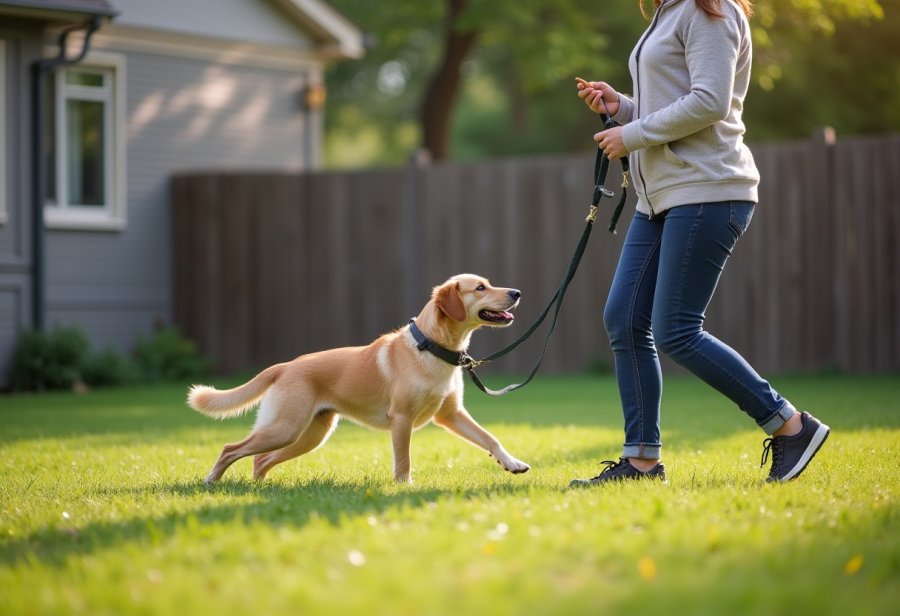
Implementing calm leash walking in real-world scenarios means starting simple and gradually increasing the challenge. Begin in quiet, familiar areas where your dog can practice walking beside you without too many distractions. Use treats and praise generously whenever they walk calmly and stay close, reinforcing that good behavior leads to rewards. Keep the leash loose—tugging or pulling can create confusion or anxiety. If your dog pulls ahead, stop walking immediately, then gently redirect their attention with commands like “heel” or “easy,” rewarding them when they respond correctly.
As your dog gains confidence, slowly introduce busier environments such as parks or streets. Only move into these settings once your dog reliably responds in calmer spaces. Maintain consistent routines and cues so your dog understands that staying focused and relaxed always pays off. When your dog becomes distracted or overly excited, pause and return to a quieter spot to reset. This teaches them that calmness is always the goal, even amid chaos.
Short, frequent training sessions during walks help your dog learn that calmness is rewarding. Keep sessions brief—around five to ten minutes—and use high-value treats to maintain engagement. Celebrate small successes, like ignoring distractions or walking without pulling, to build their confidence. Remember, patience and consistency are key; every positive step builds toward longer, more peaceful walks.
Stay calm yourself, as dogs mirror your mood. If your dog pulls or gets distracted, gently redirect and reinforce your commands. Your steady leadership reassures your dog and encourages focus. Over time, these techniques turn chaotic outings into calm, shared moments of connection.
Remember, setbacks are normal. Even dogs with challenging behaviors can learn to walk peacefully with steady practice and patience. Celebrate progress, no matter how small, and keep reinforcing good habits. With consistent effort, your walks will transform into enjoyable, bonding experiences that deepen your trust and understanding.
Invest Wisely in Your Dog’s Training: Tools, Classes, and Ongoing Rewards
Training your dog for calm, peaceful walks involves some financial investment, but these costs are generally manageable and well worth the benefits. Starting with basic gear like harnesses, collars, and leashes, you can find options that fit a variety of budgets. While inexpensive models work sufficiently, investing a bit more in a quality no-pull harness can make a noticeable difference in training effectiveness and your dog’s comfort, easing the learning process for both of you.
Treats are a key part of positive reinforcement and come in many price ranges. You don’t need to buy gourmet treats; affordable, high-quality options often work just as well. Using the right treats consistently can speed up progress and help build your dog’s trust, making training sessions more effective and enjoyable.
If you decide to seek professional help, training classes or a personal trainer will add to your expenses. Group classes tend to be more budget-friendly than private sessions, but both can offer valuable guidance tailored to your dog’s behavior. Additional tools like clickers or remote trainers involve upfront costs but can significantly improve training clarity, especially for stubborn or easily distracted dogs.
Ongoing reinforcement also involves recurring costs—new toys, treats, or occasional refresher sessions—that support your dog’s continued progress. Think of these as investments in your pet’s happiness, safety, and overall well-being. Planning your budget beforehand helps maintain consistency without surprises, ensuring your training stays effective over time.
Choosing quality gear and reliable resources might seem like a higher initial expense, but durable equipment often lasts longer and performs better, saving money in the long run. Shopping during sales or discounts can make good tools more accessible, balancing expense with value.
The goal isn’t to buy the most expensive items but to invest wisely in what truly supports your dog’s training. A combination of consistent effort, the right tools, and patience turns these costs into a foundation for calmer, more confident walks. Over time, these investments foster a stronger bond and a more peaceful, enjoyable routine for you and your dog.
Create a Winning Training Plan: Goal Setting, Routine Building, and Tracking Progress
Developing a clear plan for ongoing training keeps your dog’s progress consistent and builds lasting good habits. Start by setting small, achievable goals that can be integrated into daily routines, such as practicing the “heel” command or reinforcing calm walking in familiar environments. Keeping a simple training log can help you track what works best, noting improvements and areas needing more focus. Seeing progress in black and white can also boost your motivation during tougher days.
Consistency is the foundation of successful training. Establish routines—walks at the same times each day and familiar cues—that your dog can rely on. Reinforce calm behavior regularly by rewarding focus and patience with treats or praise. When routines become familiar, your dog begins to see them as part of everyday life, making calm leash walking feel natural rather than forced.
As your dog masters basic behaviors, gradually introduce more challenging environments. Once they reliably respond in quiet settings, venture into busier parks or streets. Always reinforce your cues and reward calmness, helping your dog understand that good behavior pays off regardless of the setting. Patience is key—if your dog struggles, return to simpler routines to rebuild confidence and focus.
Tracking progress helps you identify patterns and adjust your approach as needed. Celebrate small wins—like longer walks without pulling or ignoring distractions—to stay motivated. Remember, consistency and patience are your best allies. Each small step forward is part of a larger journey toward peaceful, confident walks.
Vary routines and introduce new challenges gradually to keep your dog engaged and prevent boredom. Different routes and exercises stimulate their mind and reinforce the skills they’ve learned. Keep training sessions short and positive, ending on a high note to maintain enthusiasm. This steady, adaptable approach ensures your dog remains eager to learn and succeed.
Regular review and adaptation of your plan will keep progress steady. If your dog hits a plateau, revisit basic commands or increase rewards to rekindle their interest. Flexibility and persistence make a big difference, especially when progress feels slow. Over time, these efforts lay the groundwork for calm, enjoyable outings that strengthen your bond and foster mutual trust.
Remember, training is an ongoing process, not a one-time fix. Patience, consistency, and a positive attitude turn setbacks into opportunities for growth. With a well-structured plan and steady effort, you’ll see your dog develop into a focused, relaxed walking partner—making every walk a shared moment of peace and connection.
Overcome Common Challenges: Solutions for Pulling, Distractions, and Anxiety
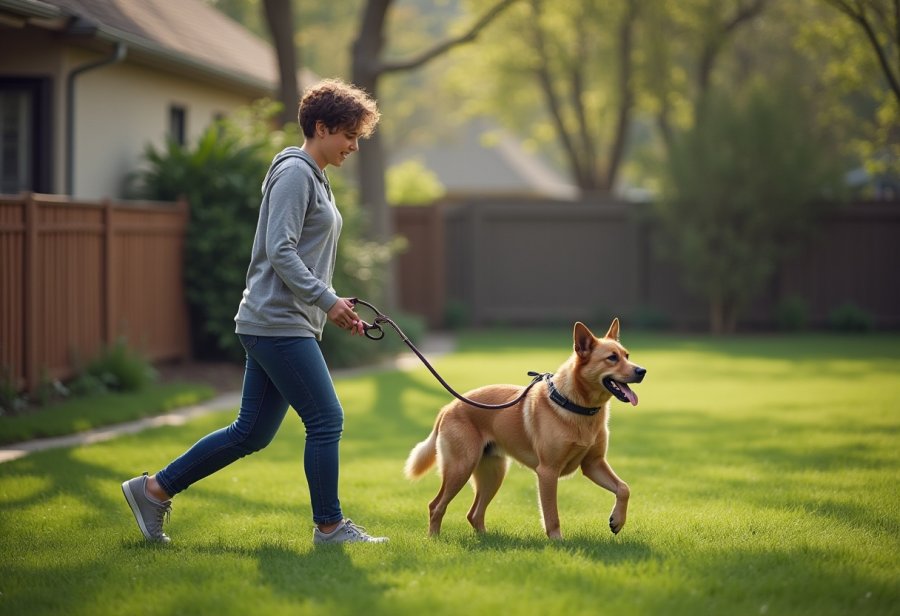
Training a dog to walk calmly on a leash can come with its fair share of challenges, but knowing how to handle common issues makes a big difference. Pulling is one of the most frequent problems, often caused by excitement or curiosity. When your dog pulls ahead, stopping immediately and gently redirecting their attention with commands like “heel” or “easy” helps reinforce that staying close is rewarding. Consistency is key—dogs quickly learn that pulling results in a pause or reset, encouraging them to stick by your side.
Distractions pose another hurdle. Dogs are naturally curious and easily sidetracked by sights, sounds, or other animals. Starting training in quiet, familiar settings helps your dog focus on you without feeling overwhelmed. As they improve, gradually introduce busier environments, always rewarding calm, attentive behavior. If your dog gets overly excited or distracted, take a step back to a calmer space to reset, reinforcing that calmness is always the goal.
Some dogs experience anxiety or fear in new or crowded places, which can lead to hesitation or pulling. For these dogs, slow, gentle exposure paired with plenty of positive reinforcement helps build confidence. Use treats and praise to create positive associations with unfamiliar environments, avoiding forcing them into situations they find intimidating. Patience and gradual exposure foster trust and self-control over time.
Owners sometimes unintentionally reinforce unwanted behaviors. For example, giving treats when your dog pulls ahead rewards the very behavior you want to discourage. Instead, reward only when your dog walks beside you calmly. Maintaining consistent cues and routines prevents confusion, making training more effective and faster.
Remember, setbacks are normal. If your dog struggles, pause and return to simpler routines to rebuild their confidence. Celebrate small victories—like walking a few steps without pulling or ignoring distractions—and keep practicing. With patience and steady effort, your dog will learn to walk peacefully, turning difficult outings into calm, bonding moments that strengthen your relationship.