Nylon, a staple in our daily lives from clothing to carpets, hides a troubling environmental story rooted in fossil fuel dependency. Its production, involving energy-intensive chemical processes, releases pollutants that harm air, water, and climate. Every step—from extracting finite oil and natural gas to synthesizing polymers—contributes to greenhouse gases, water contamination, and ecological degradation. Once in landfills, nylon persists for centuries, shedding microplastics that infiltrate oceans and soil, endangering marine life and human health alike. The paradox of durability versus environmental harm raises urgent questions: Can we reconcile convenience with sustainability? As demand grows, the industry seeks greener alternatives, such as bio-based fibers and recycled plastics, but challenges remain. This revealing insight into nylon’s hidden costs urges consumers and manufacturers to rethink choices—might a shift toward eco-friendly options revolutionize the fashion and textile industries, or are we doomed to pay the planet’s price for convenience?
Unveiling Nylon: Ubiquity and Environmental Paradox
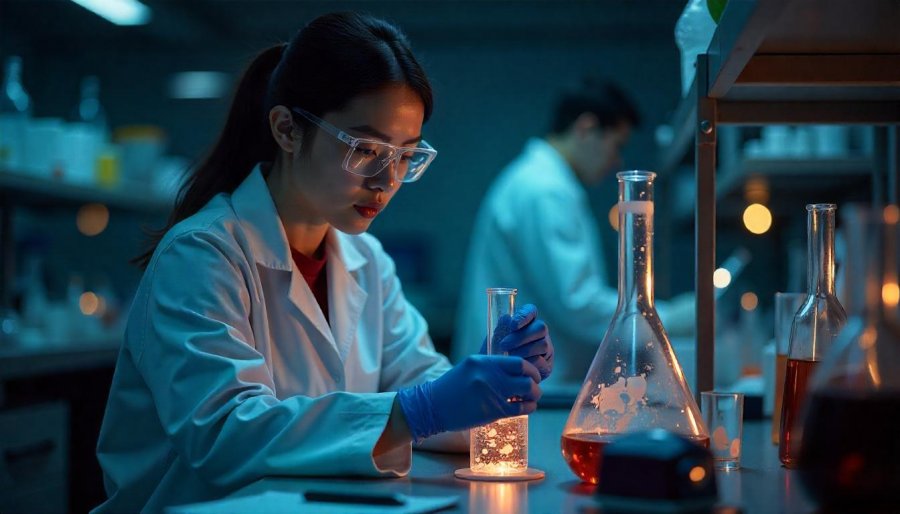
Nylon is a material we encounter daily, often without noticing its presence. It’s in our clothes, carpets, and sports gear, valued for its durability, elasticity, and affordability. These qualities have made nylon a staple in modern manufacturing, shaping many aspects of our lives.
Behind this convenience lies a complex story rooted in industrial processes that depend heavily on fossil fuels. Producing nylon involves energy-intensive chemical reactions that release pollutants into the air and water, contributing to environmental degradation. Its persistence in landfills for hundreds of years adds to the plastic pollution crisis, shedding microplastics that threaten marine ecosystems.
This paradox—versatile and essential yet environmentally costly—raises important questions about sustainability. As demand for nylon grows, industry practices and consumer choices will play a key role in shaping a more responsible future. Understanding nylon’s widespread presence helps us recognize the full scope of its impact and the urgent need for change.
The Chemical Pathway: How Nylon Production Impacts Our Planet
Nylon production begins with extracting raw materials from oil and natural gas, both of which are finite fossil fuels. These resources are refined to separate hydrocarbons that serve as the building blocks for synthetic fibers. This refining process is energy-intensive and releases pollutants like volatile organic compounds (VOCs) and nitrogen oxides, which contribute to smog formation and respiratory problems. Once refined, these chemicals undergo polymerization, typically combining hexamethylenediamine and adipic acid, to form nylon 6,6. This step requires high heat and catalysts, increasing energy consumption and emissions. Factories involved in nylon manufacturing operate continuously, burning large amounts of fossil fuels to power their processes. The resulting greenhouse gases, especially carbon dioxide, significantly contribute to climate change. Alongside air pollution, wastewater from these plants often contains toxic chemicals and residual solvents that can contaminate water sources and harm aquatic ecosystems. This cycle of resource extraction and chemical synthesis underscores nylon’s heavy environmental footprint.
Fossil Fuel Roots: The Hidden Origins of Nylon
Nylon’s origins are deeply rooted in fossil fuels, primarily oil and natural gas, which are extracted through complex and environmentally impactful processes. These resources are finite and require extensive drilling, refining, and transportation, all of which leave a significant environmental footprint. Once extracted, the raw hydrocarbons undergo refining to separate the components needed for chemical synthesis. This refining is highly energy-intensive, releasing pollutants like volatile organic compounds (VOCs) and nitrogen oxides into the atmosphere, contributing to smog formation and respiratory issues.
From these hydrocarbons, key chemicals such as hexamethylenediamine and adipic acid are produced through high-temperature reactions that require specialized catalysts. These steps demand large amounts of energy, further increasing greenhouse gas emissions and environmental degradation. The entire process depends on non-renewable resources, making nylon production inherently tied to resource depletion and pollution.
Every stage—from resource extraction to chemical synthesis—cements nylon’s dependence on fossil fuels. This reliance not only accelerates climate change but also perpetuates ecological harm, highlighting the urgency to find sustainable alternatives.
Environmental Toll: Pollution, Dependency, and Waste of Nylon
Nylon’s production relies heavily on petrochemical processes that release a variety of pollutants into our environment. During manufacturing, toxic emissions like volatile organic compounds (VOCs) and nitrogen oxides are emitted into the air, fueling smog formation and contributing to respiratory illnesses. Simultaneously, wastewater laden with residual chemicals and solvents often contaminates nearby water sources, harming aquatic ecosystems. This cycle of resource extraction and chemical synthesis underscores nylon’s significant environmental footprint.
Dependence on fossil fuels is central to nylon’s lifecycle, making it vulnerable to market fluctuations and supply disruptions. Extracting and refining oil and natural gas not only depletes finite resources but also causes habitat destruction and soil pollution. This reliance perpetuates a cycle of environmental degradation and greenhouse gas emissions that accelerate climate change.
The durability of nylon means it persists in landfills for hundreds of years, adding to the global plastic waste crisis. Microplastics shed during washing or weathering infiltrate oceans and soils, posing threats to wildlife and entering our food chain. These tiny fibers are nearly impossible to recover, making nylon waste a long-term environmental challenge.
Synthetic fibers like nylon also have a broader impact during their use phase. Washing releases microplastic fibers into waterways, which marine animals ingest, causing injury or death. This ongoing pollution disrupts marine biodiversity and accumulates toxins in the food chain, affecting human health.
Fossil fuel dependence and nylon’s manufacturing process contribute heavily to climate change. The emission of greenhouse gases from chemical reactions and fossil fuel combustion drives global warming, while extraction activities disturb ecosystems and pollute habitats. This cycle of environmental harm highlights the urgent need for sustainable alternatives.
Addressing nylon’s environmental impacts requires industry-wide shifts toward cleaner, renewable resources. Moving away from fossil fuels to bio-based and recycled materials can reduce pollution, conserve resources, and mitigate climate change. Embracing these alternatives is essential for building a more sustainable future, where convenience does not come at the planet’s expense.
The Pollution Footprint: Manufacturing and Disposal Harm
Nylon production and disposal generate a range of pollutants that cause serious environmental harm. During manufacturing, chemical reactions release volatile organic compounds (VOCs), nitrogen oxides, and greenhouse gases like carbon dioxide into the atmosphere. These emissions contribute to smog formation and respiratory issues for nearby communities, while also accelerating climate change. Wastewater from factories often contains residual chemicals and toxic solvents, which can seep into local water sources and damage aquatic ecosystems.
Once in use, nylon’s durability means it doesn’t break down easily, leading to persistent waste in landfills. As nylon decomposes very slowly, it sheds microplastics during washing and weathering. These tiny fibers infiltrate soil and waterways, where marine life mistake them for food, often with fatal consequences. The ingestion of microplastics introduces toxins into the food chain, affecting both wildlife and human health.
The environmental damage caused by nylon’s lifecycle is profound and long-lasting. From production to disposal, each stage releases pollutants and toxins that threaten ecosystems and communities alike. Addressing this pollution requires stricter regulations, cleaner manufacturing practices, and a shift toward sustainable alternatives. Only through concerted effort can we reduce nylon’s hidden environmental footprint and protect our planet’s health.
Greener Choices: Emerging Eco-Friendly Alternatives to Nylon
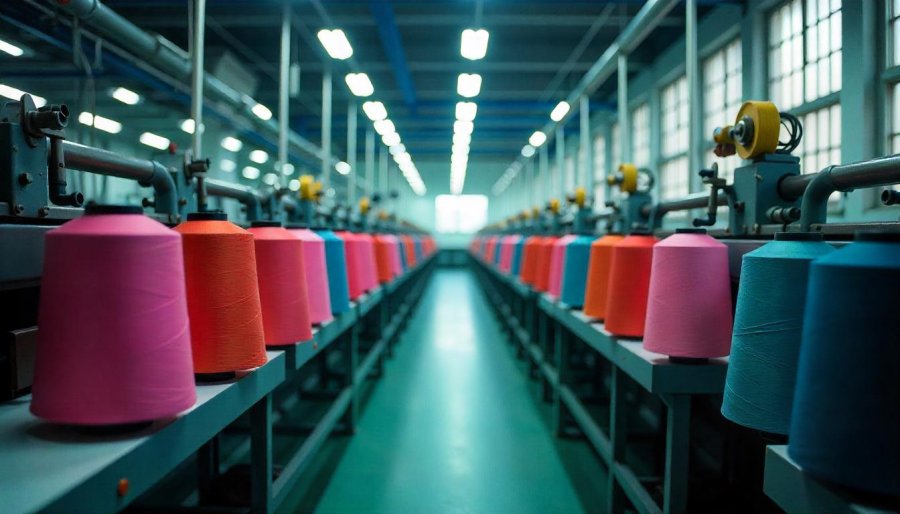
As awareness of nylon’s environmental costs grows, the industry and consumers are exploring more sustainable options. Bio-based nylon, crafted from renewable resources like corn or sugarcane, offers a promising alternative that mimics the durability of traditional nylon while drastically cutting reliance on fossil fuels. These plant-derived fibers can reduce greenhouse gas emissions during production and help lower the overall carbon footprint of textiles.
Natural fibers such as hemp, bamboo, and organic cotton are gaining popularity for their biodegradability and lower resource demands. They typically require less water, fewer chemicals, and grow faster than synthetic counterparts, making them more environmentally friendly from farm to fabric. Advances in processing technology are expanding their versatility, allowing them to meet modern performance standards.
Recycling also plays a vital role in minimizing nylon’s environmental impact. Mechanical and chemical recycling methods enable old garments and industrial scraps to be broken down and reformed into new fibers, creating a circular loop that keeps plastic out of landfills. This approach reduces waste and conserves resources, making it a key part of sustainable fashion.
Some brands are already incorporating recycled nylon made from ocean plastics and discarded fishing gear, transforming pollution into fabric. This not only addresses marine waste but also raises awareness about ocean conservation efforts. Consumer support for recycled and bio-based products encourages brands to prioritize sustainability, accelerating industry change.
Transitioning to these eco-friendly materials and practices requires investment, innovation, and commitment from manufacturers. Developing scalable, affordable technologies is essential to make sustainable fibers mainstream. Meanwhile, informed consumer choices can drive demand for responsible products, shaping a future where fashion aligns with environmental health.
While challenges remain—such as scaling production and ensuring cost-effectiveness—the shift toward greener alternatives marks a meaningful step forward. Supporting bio-based, recycled, and natural fibers reduces pollution, conserves resources, and helps combat climate change. Every purchase and choice can contribute to a more sustainable future, proving that style and responsibility can go hand in hand.
Lifecycle Consequences: Ecosystem and Human Health at Stake
The entire lifecycle of nylon—from its production to disposal—exerts significant pressure on ecosystems and human health. During manufacturing, chemical reactions release volatile organic compounds and nitrogen oxides, which contribute to smog formation and respiratory issues for nearby communities. Simultaneously, wastewater containing residual chemicals and toxins often contaminates water sources, harming aquatic life and local habitats.
Once in use, nylon’s durability means it remains in landfills for centuries, shedding microplastics during washing and weathering. These tiny fibers infiltrate oceans and soils, where marine animals mistake them for food, often with fatal consequences. These microplastics bioaccumulate toxins up the food chain, ultimately impacting human health through seafood consumption.
Chemical byproducts from production and degradation can leach into soil and water, posing long-term environmental risks. The persistent presence of nylon waste and microplastics underscores the urgent need for stricter waste management and sustainable alternatives that minimize environmental harm, safeguarding both ecosystems and public health.
Fossil Fuel Reliance: Industry Vulnerabilities and Climate Impact
Relying on fossil fuels for nylon production tightly links the industry to environmental degradation and economic instability. Since oil and natural gas are finite resources, any disruption in their supply—whether due to geopolitical tensions, market fluctuations, or depletion—can cause sharp increases in raw material costs and supply shortages. This dependence makes the entire supply chain vulnerable to external shocks, impacting manufacturers, retailers, and consumers alike.
Moreover, the extraction and burning of fossil fuels significantly contribute to climate change. Greenhouse gases like carbon dioxide and methane released during these processes accelerate global warming, while habitat destruction from drilling and pipeline construction causes irreversible ecological harm. This cycle of extraction and combustion not only worsens environmental damage but also perpetuates a dependency that’s difficult to break.
As the world shifts toward renewable energy, industries tied to fossil fuels face mounting pressure to adapt or risk obsolescence. Their reliance on non-renewable resources exposes them to future economic risks, highlighting the urgent need for innovative, sustainable alternatives. Transitioning away from fossil fuels is essential to reducing nylon’s ecological footprint and building a resilient, eco-friendly manufacturing future.
Long-lasting Waste: Landfills and Microplastic Pollution
Nylon’s durability is both its strength and its environmental weakness. Its resistance to breaking down means it can linger in landfills for hundreds of years, accumulating at an alarming rate. Each discarded piece adds to the growing mountain of plastic waste that pollutes our environment. Microplastics shed from nylon garments during washing or natural weathering gradually infiltrate soils and waterways, where they are mistaken for food by wildlife. These tiny fibers are nearly impossible to recover once released, making nylon waste a persistent problem.
In landfills, nylon’s resilience prevents it from decomposing, leading to long-term pollution that can last generations. As these plastics break down into microfibers, they enter the food chain, affecting marine and terrestrial life alike. The accumulation of nylon waste contributes significantly to global plastic pollution and threatens biodiversity.
This persistent waste not only harms ecosystems but also poses risks to human health through contaminated water and food sources. The long-lasting presence of nylon in our environment underscores the need for smarter waste management and increased recycling efforts. Moving toward biodegradable alternatives could help reduce this environmental burden and foster a more sustainable future.
The Hidden Cost: Microplastics and Synthetic Fiber Pollution
Synthetic fibers like nylon are woven into many of our clothes and textiles, but their environmental footprint often goes unnoticed. Every wash releases tiny microplastic fibers that slip through wastewater treatment and end up in oceans and lakes. Marine animals ingest these fibers, mistaking them for food, which can cause injury, death, and toxin buildup in the food chain. Over time, these microscopic plastics accumulate, disrupting marine ecosystems and threatening biodiversity.
The production process itself adds to the problem, releasing chemicals and pollutants into the air and water, further harming the environment. Because nylon’s durability makes it long-lasting, these tiny fibers persist in the environment for decades, continually adding to global plastic pollution. This invisible but pervasive contamination affects both wildlife and human health, as microplastics enter our food and water sources.
Washing synthetic textiles contributes to this crisis, shedding fibers that bypass filtration systems. As microplastics build up in ecosystems, they threaten the health of marine life and compromise the balance of natural habitats. Recognizing the impact of synthetic fibers underscores the need for industry shifts toward sustainable materials and smarter waste management.
Pollution Pathways: How Nylon Manufacturing Releases Toxins
The process of making nylon from fossil fuels involves multiple stages that release a variety of pollutants into the environment. During chemical synthesis, volatile organic compounds (VOCs) and nitrogen oxides are emitted into the atmosphere, contributing to smog formation and respiratory issues in nearby communities. These emissions also serve as significant drivers of climate change, as they trap heat and accelerate global warming.
At the same time, wastewater from nylon factories contains residual chemicals and toxic solvents, which often find their way into local water sources. This pollution harms aquatic ecosystems, contaminates drinking water supplies, and disrupts marine life. The extraction of oil and natural gas—raw materials for nylon—further damages ecosystems, disturbs habitats, and pollutes soil and water.
Every step, from resource extraction to chemical reaction, adds to nylon’s environmental footprint. The industry’s reliance on fossil fuels perpetuates a cycle of pollution that impacts air, water, and land. Addressing these issues requires cleaner production methods and a shift toward sustainable alternatives that minimize environmental harm.
Pathways to Sustainability: Innovations and Alternatives in Fashion
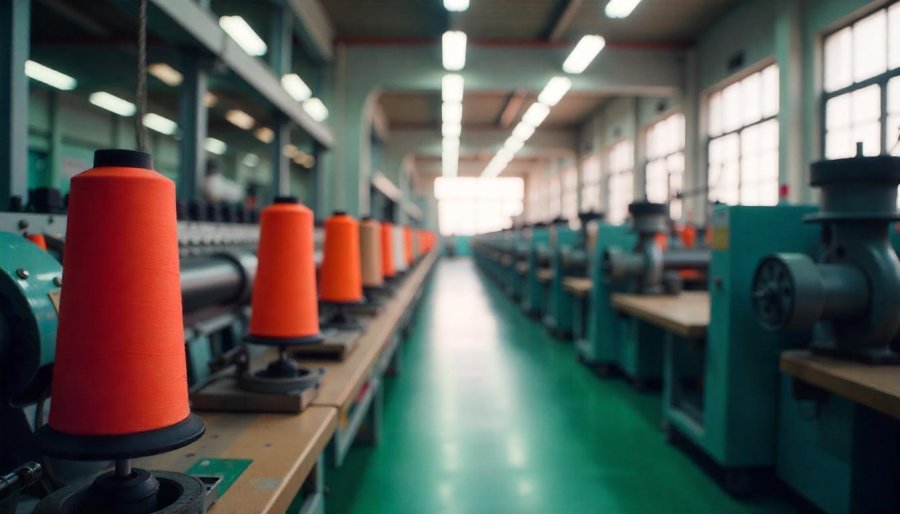
As awareness of nylon’s environmental costs grows, industries and consumers are turning to more sustainable options. Bio-based nylon, made from renewable resources like corn or sugarcane, offers a promising alternative that replicates the durability of traditional nylon while significantly reducing reliance on fossil fuels. These plant-derived fibers can lower greenhouse gas emissions during production, helping to shrink the industry’s carbon footprint.
Natural fibers such as hemp, bamboo, and organic cotton are gaining popularity thanks to their biodegradability and lower resource needs. They require less water, fewer chemicals, and grow faster than synthetic options, making them more eco-friendly from farm to fabric. Innovations in processing now enable these fibers to meet the performance standards expected in modern textiles.
Recycling also plays a crucial role in reducing nylon’s environmental impact. Mechanical and chemical methods allow old garments and industrial scraps to be transformed into new fibers, closing the loop and keeping plastic waste out of landfills. Some brands incorporate recycled nylon from ocean plastics and fishing gear, turning pollution into fabric and raising awareness about marine conservation.
Supporting these sustainable options depends on industry investment and consumer demand. By choosing bio-based, recycled, or natural fibers, we can foster a shift toward responsible production and consumption. This transition not only reduces pollution but also encourages innovation, helping the fashion industry move toward a future where style aligns with environmental health.