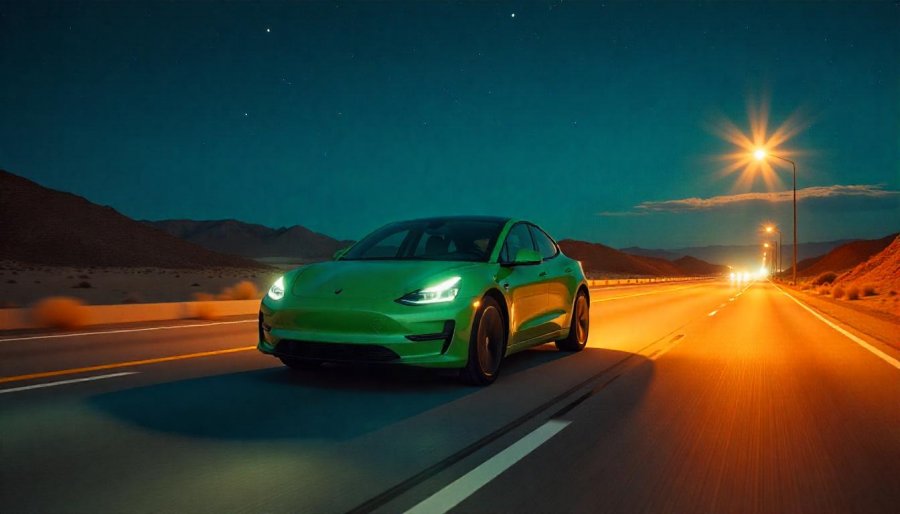
The Chevrolet Corvette epitomizes American automotive passion, seamlessly blending raw power with elegant design and a storied legacy that continues to inspire drivers worldwide. From its daring fiberglass beginnings in 1953 to the revolutionary mid-engine C8, each generation has pushed the boundaries of performance and style, cementing its status as a cultural icon. But what truly sets the Corvette apart is its deep emotional connection—symbolizing freedom, resilience, and innovation. As technology advances with electrification, hybrid systems, and driver-assist features, the question arises: can the Corvette preserve its soul amid rapid change? Its future promises even greater excitement, balancing cutting-edge innovation with its historic DNA. This iconic machine doesn’t just deliver speed; it stirs passion, forging a legacy rooted in American ingenuity that continues to drive dreams and redefine what a sports car can be.
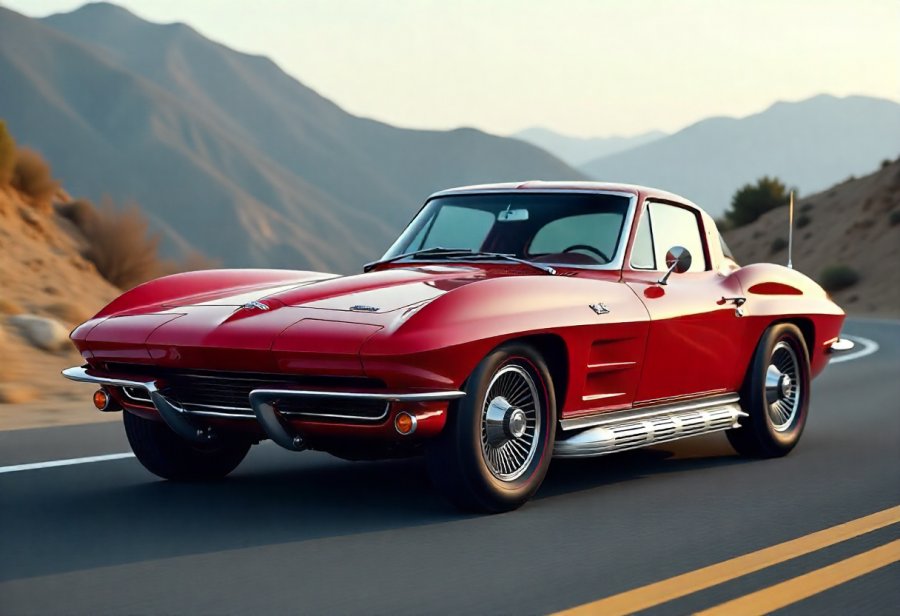
Unveiling the Icon: The Chevrolet Corvette’s Legacy in America
The Chevrolet Corvette stands as a true icon in American automotive culture, embodying the spirit of innovation, speed, and style that define the nation’s approach to performance cars. Since its debut in 1953, the Corvette has consistently captured the imagination of drivers and enthusiasts alike, becoming more than just a vehicle—it’s a symbol of American ingenuity and freedom on the open road. Its sleek, aggressive lines and groundbreaking engineering set new standards, making it a staple in the world of sports cars.
What makes the Corvette special isn’t just its performance, but the way it connects emotionally with its drivers. From the roar of its engine to its distinctive design, every detail speaks to a desire for excitement and achievement. Over the decades, the Corvette has evolved, yet it remains true to its roots—delivering raw power wrapped in a package of stylish craftsmanship that turns heads and stirs passions. It’s a car that invites you to push boundaries and embrace the thrill of driving.
Beyond its technical prowess, the Corvette has woven itself into American culture through movies, music, and stories of rebellion and success. It’s appeared in countless films and songs, often symbolizing freedom, ambition, and the pursuit of excellence. This cultural presence has helped cement its status as a true American icon, inspiring generations to dream big and aim higher. For many owners, driving a Corvette is about more than just speed—it’s about belonging to a legacy of craftsmanship, resilience, and innovation.
The Corvette’s significance goes well beyond individual ownership. It’s a collective symbol that unites car enthusiasts and collectors, who see it as a testament to American resilience and technological progress. Restoring vintage models and participating in car clubs become acts of preserving history and celebrating craftsmanship. These shared passions reinforce the Corvette’s role as a cultural touchstone, representing the best of what American automotive engineering can achieve.
Driving a Corvette offers a unique experience—one that combines adrenaline, control, and pride. Whether tearing down a highway or carving through winding roads, the car responds with precision and power, creating an emotional bond that keeps owners loyal and inspired. That connection isn’t just about the vehicle’s speed, but about the feeling of freedom and mastery it provides behind the wheel.
The Corvette’s enduring legacy is rooted in its ability to adapt while staying true to its core identity. Its design cues, like the long hood and muscular stance, remain instantly recognizable, linking each new model to a storied past. This balance of tradition and innovation ensures the Corvette continues to inspire new generations of drivers, maintaining its place as a symbol of American passion for speed and excellence.
Looking ahead, the Corvette’s future promises continued innovation without losing sight of what makes it special. As electric and hybrid models emerge, the Corvette aims to deliver the same adrenaline rush while embracing sustainability. Its legacy as a legendary American muscle car is secure, and as it evolves, it will keep inspiring drivers to dream bigger, push harder, and chase the thrill that has defined it for nearly 70 years.
Decades of Innovation: Tracing the Corvette’s Evolution from Past to Present
The Corvette’s journey through the decades showcases a remarkable blend of innovation and tradition, shaping it into the icon it is today. It all began in 1953 with the debut of the first-generation C1, which introduced a lightweight fiberglass body that set the tone for its future. This daring move emphasized performance and style equally, with modest engines at first but an aerodynamic shape that made a bold statement. Its distinctive look laid the foundation for the Corvette’s reputation as an American sports car that combines raw power with sleek design.
In the 1960s, the Corvette evolved into the C2 Stingray, which brought a more aggressive, aerodynamic aesthetic. Its sculpted lines and split rear window became design icons, while powerful V8 engines pushed its performance to new heights. This era cemented the Corvette’s status as both a muscle car and a symbol of American ingenuity. The C2’s bold styling and impressive speed made it a favorite among enthusiasts and collectors alike, embodying the perfect mix of aesthetics and adrenaline.
The subsequent C3 generation, spanning from the late 1960s into the early ’80s, refined the Corvette’s flowing curves and muscular stance. It adopted a more polished yet still rebellious look, with technological updates like improved suspension and handling that enhanced its driving experience. The split rear window remained an enduring symbol of this era, and despite rising safety and emissions standards, the C3 stayed true to its spirited roots, blending tradition with technical progress.
Moving into the late ’80s and ’90s, the Corvette advanced with the C4 and C5 models, which introduced digital dashboards, improved aerodynamics, and lighter materials. The C4, launched in 1984, offered digital displays and better chassis dynamics, making it more refined. The C5, arriving in 1997, focused on reducing weight and boosting horsepower, delivering faster acceleration and sharper handling. These models reflected a shift toward technological sophistication, ensuring the Corvette remained competitive amid rapid industry changes.
The early 2000s brought the C6, emphasizing handling and lightweight construction, while the C7, released in 2014, pushed performance further with aggressive styling and innovations like magnetic ride control. Each iteration built on the last, pushing the boundaries of design and capability while staying true to the Corvette’s core identity. The most transformative change came with the C8 in 2020, which adopted a mid-engine layout that significantly improved handling and balance. This radical shift redefined what the Corvette could be, transforming it into a true supercar without losing sight of its legacy.
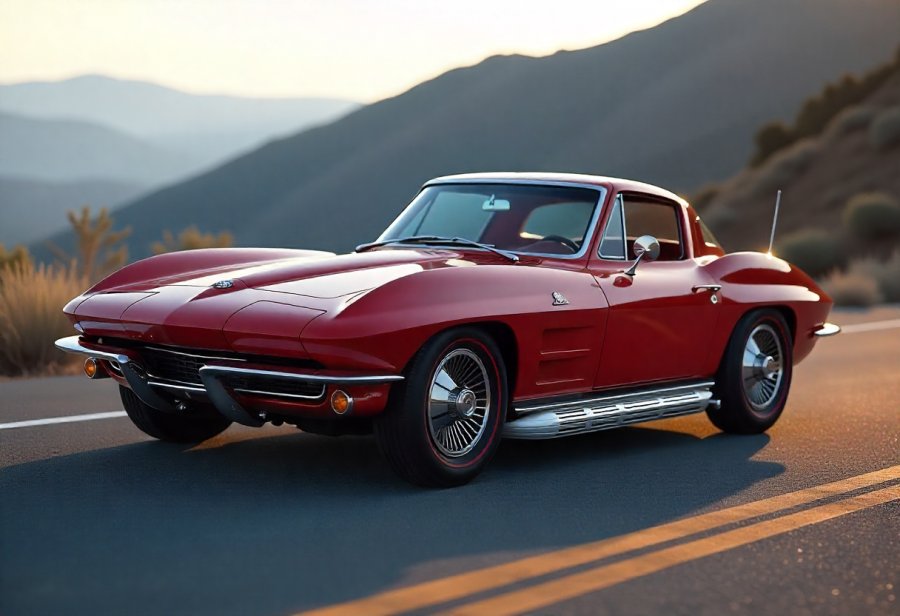
The Corvette Today: Redefining Performance with Cutting-Edge Features
The Corvette today continues to stand as a benchmark of American sports car engineering, seamlessly blending cutting-edge technology with design that pays homage to its storied history. The latest model, the C8 Stingray, marks a bold departure with its mid-engine layout, significantly enhancing handling, balance, and overall driving dynamics. This transformation delivers sharper cornering and a more visceral driving experience, all while staying true to the brand’s core of raw power paired with modern finesse that appeals to both enthusiasts and everyday drivers alike.
Modern Corvettes are equipped with an array of advanced features that elevate driving enjoyment and safety. Digital dashboards and customizable displays provide quick access to vital information, enhancing the driver’s connection to the car. Driver-assistance systems subtly improve safety without compromising performance, offering features like adaptive cruise control and lane-keeping aid. Lightweight materials such as carbon fiber and aluminum are used extensively to reduce weight, boosting speed and agility while ensuring durability during intense driving sessions. These technological upgrades not only enhance performance but also contribute to long-term reliability and efficiency.
Design-wise, the current Corvette strikes a compelling balance between aggressive modern styling and timeless cues. Its sleek, aerodynamic silhouette hints at speed even when stationary, with sharp lines and bold accents that communicate power and agility. The front grille and LED lighting are crafted to maximize airflow and visual impact, while the sculpted hood channels air seamlessly over the vehicle. Inside, the cockpit emphasizes driver engagement with ergonomic controls, high-quality materials, and a cockpit that feels both sporty and refined. Every detail underscores the Corvette’s identity as a high-performance machine designed to excite at every turn.
Driving a modern Corvette offers an emotional experience that’s hard to match. The roar of the engine, the immediate responsiveness of the steering, and the precise handling combine to create a sense of control and thrill that stays with you long after the drive ends. Whether accelerating onto a highway or navigating winding country roads, the car responds instinctively, fostering a deep connection between driver and machine. This balance of power and finesse keeps owners loyal and continually inspired, ensuring the Corvette’s legacy remains vibrant in today’s automotive landscape.
Even as it pushes forward with innovation, the Corvette preserves elements that evoke its legendary character. Iconic design cues like the long hood, muscular stance, and aggressive stance remain unchanged, linking the new models to the classic Corvette legacy. This continuity reinforces its identity as an American icon, while the integration of modern technology ensures it remains relevant. By balancing innovation with tradition, the Corvette continues to inspire new generations of drivers while satisfying longtime fans, solidifying its place as a symbol of speed, style, and relentless pursuit of excellence.
Beyond the Road: The Corvette’s Cultural Footprint and Personal Legacy
The legacy of the Corvette extends far beyond its technical specifications or striking design; it’s deeply rooted in personal stories that highlight its cultural impact. For many owners, driving a Corvette isn’t just about speed—it’s about a sense of achievement and freedom. Take Mark, for example, who purchased his first C3 Stingray as a young man. For him, that car symbolized independence and the thrill of adventure, creating memories that have lasted a lifetime. The roar of its engine and the pride he felt behind the wheel became symbols of personal success, connecting him to a broader tradition of American muscle and performance.
Similarly, Lisa’s vintage 1967 Corvette has become a treasured family heirloom, passed down through generations. Each owner adds new stories—road trips, races, moments of pride—that transform the car into a vessel of legacy and identity. These personal narratives demonstrate how the Corvette functions as more than a machine; it’s a symbol of resilience, craftsmanship, and aspiration that forges emotional bonds lasting beyond the road.
The Corvette’s influence also radiates through its appearances in movies, music, and pop culture. It’s been featured in blockbuster films and music videos, often symbolizing success, rebellion, or adventure. This visibility elevates the Corvette from a mere vehicle to a cultural icon, inspiring countless fans to dream bigger and pursue greatness. Its presence in media amplifies its status as a symbol of American ingenuity and resilience, making it a fixture in the collective imagination.
Enthusiast communities further deepen its cultural significance. Car clubs, restorers, and collectors gather to celebrate its history, sharing stories of how their Corvettes connect them to a larger legacy. Restoring vintage models becomes a way to preserve history and craftsmanship, turning each car into a personal statement of style and pride. These shared passions foster a sense of belonging that transcends individual ownership, reinforcing the Corvette’s role as a unifying symbol of American automotive passion.
Driving a Corvette shapes how owners see themselves, often instilling a feeling of empowerment. The roar of the engine, the immediate responsiveness of its handling, and the precision of every turn evoke confidence and excitement. Whether tearing down a highway or navigating winding roads, the car responds instinctively, creating an emotional bond that keeps owners loyal and inspired. It’s more than transportation; it’s a vessel of exhilaration and mastery.
Beyond individual stories, the Corvette embodies core American values like innovation, resilience, and the relentless pursuit of excellence. Its ongoing presence in popular culture and its role as a symbol of craftsmanship reinforce its iconic status. The Corvette isn’t just a car; it’s a cultural touchstone that inspires pride across generations, shaping perceptions of American engineering and driving collective identity.
In every corner of America and around the world, the Corvette continues to inspire. It stands as a testament to American ingenuity, a symbol of speed and style that fuels dreams and drives passion. Its legacy is built not just on metal and horsepower, but on the stories of those who have driven it, restored it, and celebrated it. The Corvette’s cultural impact remains as vibrant today as it was at its inception, promising to inspire new generations to chase their own dreams of performance and freedom.
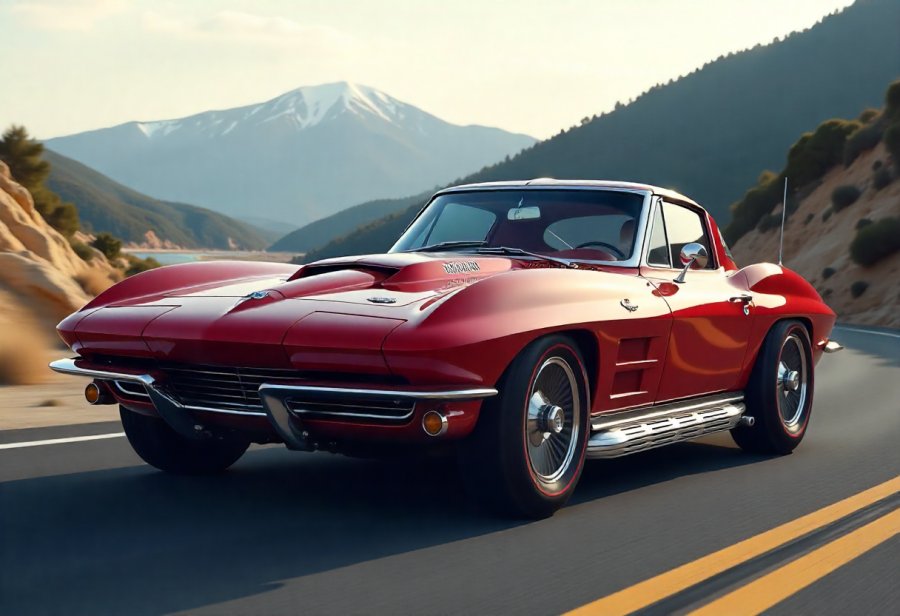
Gazing Forward: The Future of the Corvette in a World of Innovation
Looking ahead, the future of the Corvette promises to be as exciting and innovative as its legendary past. Electric technology is set to play a major role, with concepts for fully electric Corvettes aiming to deliver blistering acceleration and zero emissions without sacrificing the thrill of driving. Advances in battery design, such as faster charging and increased range, are making electric models more practical for daily use while maintaining the high performance enthusiasts expect. This shift not only aligns with global sustainability goals but also preserves the Corvette’s reputation as a speed icon.
Alongside electrification, the integration of autonomous driving features is beginning to reshape how we experience the car. While the Corvette’s core appeal lies in driver engagement, smarter safety and assistance systems could enhance everyday convenience. Imagine a future where you can enjoy the car’s raw power with added confidence, thanks to adaptive cruise control, lane-keeping assist, and other driver-aids that make driving safer and more enjoyable. These innovations aim to complement the driving experience rather than replace the thrill, broadening the Corvette’s appeal in a tech-driven world.
Material science will continue to push performance boundaries, with lightweight composites like carbon fiber becoming more prevalent. Reducing weight enhances speed, agility, and efficiency, ensuring the Corvette remains competitive amid evolving industry standards. Engineers will harness these advanced materials to craft sleeker, stronger, and more responsive models, allowing the car to adapt seamlessly to future demands without losing its signature muscular stance. This focus on innovation in construction will keep the Corvette at the forefront of high-performance automotive design.
Hybrid powertrains are likely to become more common, blending electric motors with traditional engines. This approach offers rapid acceleration and instant torque, capturing the visceral feel that fans love, while also improving fuel economy and reducing emissions. Such systems will help the Corvette meet stricter environmental standards without compromising its identity as a high-performance machine. The hybrid future aims to deliver the best of both worlds—performance and sustainability—ensuring the Corvette’s relevance for decades to come.
As the Corvette evolves, its cultural influence is poised to grow even stronger. Electric and hybrid models will serve as symbols of American resilience and innovation, inspiring new generations of drivers and engineers. The challenge will be to preserve the emotional connection that makes the Corvette special—its roar, its handling, its sense of freedom—while embracing change. By balancing heritage with technological progress, the Corvette will continue to push limits, inspiring dreams and driving passion well into the future.