Historically, Cleopatra VII is often reduced to a symbol of glamour and romance, but her true legacy lies in her exceptional intellect, strategic brilliance, and diplomatic mastery. This compelling portrayal reveals a ruler who valued knowledge, fluency in multiple languages, and cultural diplomacy, using these strengths to navigate the turbulent politics of her time. Her alliances with Rome’s Julius Caesar and Mark Antony were calculated moves rooted in long-term sovereignty preservation, not vanity. Far from the myth of beauty, Cleopatra’s leadership was defined by resilience, innovation, and a deep understanding of her diverse subjects and enemies alike. Modern insights, supported by archaeological advances, illuminate her as a pioneering strategist and scholar—an inspiring model of female leadership, intelligence, and adaptability. Could her legacy remind us that true power resides in the mind? This narrative challenges stereotypes and celebrates her enduring influence as a ruler who wielded wisdom and resilience to shape history.
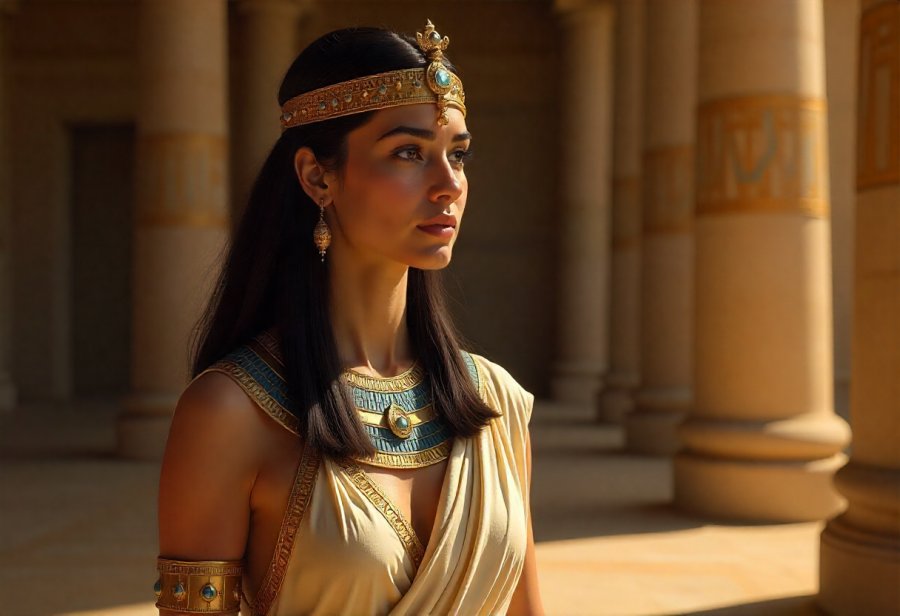
Cleopatra VII: The Mind Behind the Legend
Cleopatra VII is often remembered through Hollywood’s lens as a glamorous seductress, but her true legacy runs much deeper. She was a ruler driven by intelligence, strategic thinking, and political skill—qualities that allowed her to maintain Egypt’s independence during a tumultuous period. Far from just a beautiful face, Cleopatra was a formidable leader whose wit and wisdom shaped her reign and left a lasting mark on history. Her ability to navigate alliances with powerful Rome figures like Julius Caesar and Mark Antony was rooted in her sharp mind and diplomatic finesse, not mere charm or vanity.
Her leadership demonstrated that true power lies in the mind. Cleopatra’s mastery of political strategy, her multilingual abilities, and her patronage of learning at the great Library of Alexandria reveal a ruler who valued knowledge as much as authority. She was well-educated, with a deep interest in philosophy, science, and literature, equipping her to make informed decisions in a complex world. This intellectual foundation gave her the tools to adapt quickly to shifting circumstances and craft alliances that served her kingdom’s interests.
Throughout her reign, Cleopatra showcased resilience and ingenuity. She faced internal court rivalries, external threats, and the rising dominance of Rome, yet she remained a shrewd strategist. Her alliances with Julius Caesar and Mark Antony were carefully calculated moves designed to protect Egypt’s sovereignty, highlighting her ability to think long-term rather than act on fleeting emotions. Her leadership was rooted in understanding both her people’s traditions and the broader geopolitical landscape, making her a master diplomat and tactician.
What sets Cleopatra apart is her recognition that leadership is about more than appearance. Her legacy is built on her intelligence and political acumen, qualities that allowed her to command respect in a male-dominated world. By focusing on her mental prowess rather than her glamour, history reveals a ruler whose true strength came from her capacity to think strategically, learn continuously, and lead with resilience. Cleopatra’s story reminds us that the most enduring power often resides in the mind, not just in beauty or charm.
Origins and Political Turmoil in Cleopatra’s Egypt
Cleopatra VII was born into the Ptolemaic dynasty, a Macedonian Greek family that took control of Egypt after Alexander the Great’s empire fractured. Her ancestors ruled for nearly three centuries, blending Greek customs with native Egyptian traditions. This cultural mix created a unique environment where Hellenistic and Egyptian influences intertwined, shaping Cleopatra’s worldview and leadership style. Growing up amid court intrigue and rivalry, she inherited a kingdom already embroiled in political complexities, which made her early education focused on languages, history, and strategy—tools she relied on throughout her reign.
The political landscape of her time was marked by constant turbulence. Egypt faced threats from neighboring powers and the expanding influence of Rome, which was asserting dominance over the Mediterranean. Initially co-ruling with her younger brother Ptolemy XIII, Cleopatra’s claim to the throne was challenged by internal rivals. Her ability to consolidate power depended heavily on her diplomatic skills and strategic alliances, setting the stage for her later efforts to preserve Egypt’s independence amid rising imperial pressures.
As Roman influence grew, Cleopatra understood that forming alliances with its most powerful figures—Julius Caesar and later Mark Antony—was essential for her survival. These relationships weren’t driven by vanity but by calculated efforts to safeguard Egypt’s sovereignty. She leveraged her Greek heritage while appealing to Egyptian religious traditions, which helped legitimize her rule and foster loyalty among her diverse subjects. This cultural diplomacy allowed her to bridge two worlds, making her a ruler who appreciated both tradition and innovation.
Her heritage and education played pivotal roles in her leadership. Cleopatra mastered multiple languages and supported the famed Library of Alexandria, emphasizing her commitment to knowledge and learning. These pursuits weren’t mere personal interests; they were strategic tools to strengthen her position, forge alliances, and project wisdom and stability. Her deep understanding of her cultural roots and environment helped her navigate dissent and threats with resilience and adaptability.
Throughout her reign, Cleopatra demonstrated keen political acumen and resilience. She balanced Egyptian traditions with Greek influences, using her education, cultural insight, and strategic thinking to maintain her throne. Her ability to adapt swiftly and forge powerful alliances ensured her survival and cemented her legacy as a highly intelligent and resourceful leader—proof that true power lies in understanding, learning, and leading with resilience.
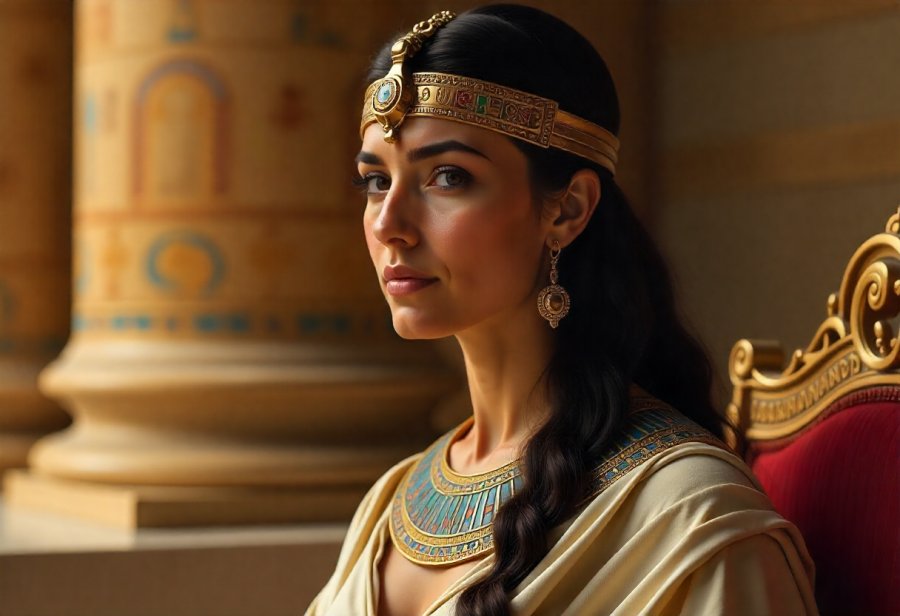
Unveiling Cleopatra’s Intellectual Prowess and Strategic Genius
Cleopatra’s intelligence was evident long before she ascended to the throne. She was a highly educated woman who mastered multiple languages, including Egyptian, Greek, and Latin. This multilingual ability gave her a significant diplomatic advantage, enabling direct communication with diverse audiences and forging strategic alliances across different cultures. Her dedication to language and learning reflected her broader intellectual curiosity and her understanding that effective leadership required more than just political authority — it demanded cultural fluency.
Her scholarly pursuits extended well beyond language. Cleopatra was deeply interested in philosophy, science, and literature, supporting the renowned Library of Alexandria and fostering an environment where knowledge and innovation flourished. By patronizing scholars, scientists, and philosophers, she positioned herself as a ruler committed to wisdom, which bolstered her legitimacy and inspired loyalty among her subjects. Her engagement with learning was not merely personal; it was a deliberate strategy to strengthen her reign and influence.
Cleopatra’s strategic acumen was closely tied to her intellectual pursuits. She was proactive in studying her environment, understanding regional power dynamics, and adapting her approach accordingly. Whether negotiating alliances with Roman leaders or managing court rivalries, she used her knowledge of history, politics, and culture to craft informed, calculated strategies. Her ability to quickly assess situations and respond with tailored diplomacy made her a formidable tactician in a turbulent world.
Her mastery of Egyptian traditions and her respect for native customs played a vital role in her leadership. She skillfully balanced her Greek heritage with Egyptian religious and cultural practices, using this cultural diplomacy to legitimize her rule and rally diverse communities. Her understanding of societal symbols and rituals allowed her to project strength and stability, demonstrating that her intelligence extended into her ability to leverage tradition and innovation simultaneously.
What truly distinguished Cleopatra was her capacity to combine scholarly pursuits with practical politics. She used her language skills, cultural insights, and strategic thinking as tools to navigate complex challenges and secure her position. Her intelligence wasn’t just an attribute; it was the foundation of her influence, enabling her to lead with confidence and resilience. Cleopatra’s legacy as a ruler is rooted in her ability to learn, adapt, and think strategically — qualities that cemented her place in history as one of the most astute leaders of her time.
The Power Play: Cleopatra’s Leadership, Diplomacy, and Influence
Cleopatra’s leadership extended far beyond her regal appearance; she was a master strategist who understood that true power stemmed from political skill and influence. She knew how to shape perceptions, manage court factions, and use diplomacy as her primary tools. Her ability to balance internal dissent with external threats demonstrated resilience and sharp judgment. Cleopatra didn’t merely react to events—she actively crafted her destiny through calculated moves, turning setbacks into opportunities and maintaining her authority with precision.
Her influence reached across Egypt’s borders, thanks to her skillful forging of alliances with Rome’s most powerful figures, Julius Caesar and Mark Antony. These relationships were not driven by vanity but by strategic efforts to safeguard Egypt’s independence amid expanding Roman dominance. Cleopatra’s diplomatic finesse allowed her to project strength while ensuring stability, leveraging her understanding of regional geopolitics and cultural nuances to her advantage.
She rooted her power in a seamless blend of tradition and innovation. Cleopatra upheld Egyptian religious customs and symbols of divine authority, which resonated with her Egyptian subjects and reinforced her legitimacy. Simultaneously, she embraced Greek art, philosophy, and courtly customs, creating a cultural fusion that appealed to diverse audiences. This balancing act unified her kingdom, fostering loyalty among different groups and strengthening her leadership from within.
Throughout her reign, Cleopatra’s resilience and adaptability kept her afloat amid court rivalries, external threats, and the rising tide of Roman power. She quickly assessed her environment and responded strategically, understanding that leadership required flexibility and impeccable timing. Her ability to read the shifting landscape and act decisively ensured her influence and longevity, exemplifying a keen understanding of power’s true nature.
Cleopatra proved that influence depends on more than raw power; it’s rooted in intelligence, cultural diplomacy, and strategic thinking. She inspired loyalty through her understanding of her people’s values and her ability to lead with insight rather than force. Her legacy endures as a testament to leadership built on wisdom, resilience, and adaptability—values that remain vital in any era.
Lessons from Cleopatra: Applying Ancient Wisdom to Modern Leadership
Applying what we learn from Cleopatra’s leadership today means embracing her strategic mindset and cultural awareness. Modern leaders can benefit from understanding that building genuine alliances relies on listening and respecting different perspectives, rather than just issuing commands. Cleopatra’s success was rooted in her ability to forge relationships through negotiation, empathy, and a deep understanding of the cultures and people she engaged with. This approach reminds us that influence often depends on soft skills—trust, patience, and cultural sensitivity—more than raw authority or superficial charm.
Her example also highlights the importance of continuous learning. Cleopatra was not only a ruler but a scholar who valued knowledge and innovation. Today’s leaders who prioritize ongoing education—through reading, cross-cultural exchanges, or staying curious—are better equipped to adapt to rapid changes and complex challenges. Creating an environment that encourages curiosity and learning fosters creative solutions, much like Cleopatra’s patronage of the Library of Alexandria did in her time.
Resilience plays a crucial role in applying her lessons. Cleopatra faced constant threats—internal dissent, external enemies, shifting alliances—and her ability to remain calm and respond strategically was key. In today’s fast-paced world, setbacks are inevitable, but resilience combined with strategic agility allows for recovery and growth. Turning obstacles into opportunities requires a mindset that views challenges as part of a bigger picture, just as Cleopatra did in her reign.
Her balance of tradition and innovation remains relevant. Cleopatra respected Egyptian customs while embracing Greek ideas and culture, creating a fusion that strengthened her legitimacy. Modern leaders can emulate this by honoring core values and traditions while remaining open to new ideas and practices. This balance builds trust and legitimacy, helping organizations or nations stay adaptable amid change.
Patience and timing are vital. Cleopatra understood that forging alliances with figures like Julius Caesar or Mark Antony required careful planning and long-term vision. Today’s leaders benefit from this by avoiding impulsive decisions, instead cultivating relationships over time. Building trust and mutual understanding can lay a solid foundation for lasting collaboration and success.
Clear, honest communication was central to Cleopatra’s influence. She knew how to articulate her goals and listen actively, fostering genuine dialogue. Modern leaders who adopt this approach—engaging authentically and seeking common ground—are more likely to forge meaningful, enduring partnerships. Respectful communication not only builds loyalty but also creates a shared sense of purpose, essential for lasting impact.
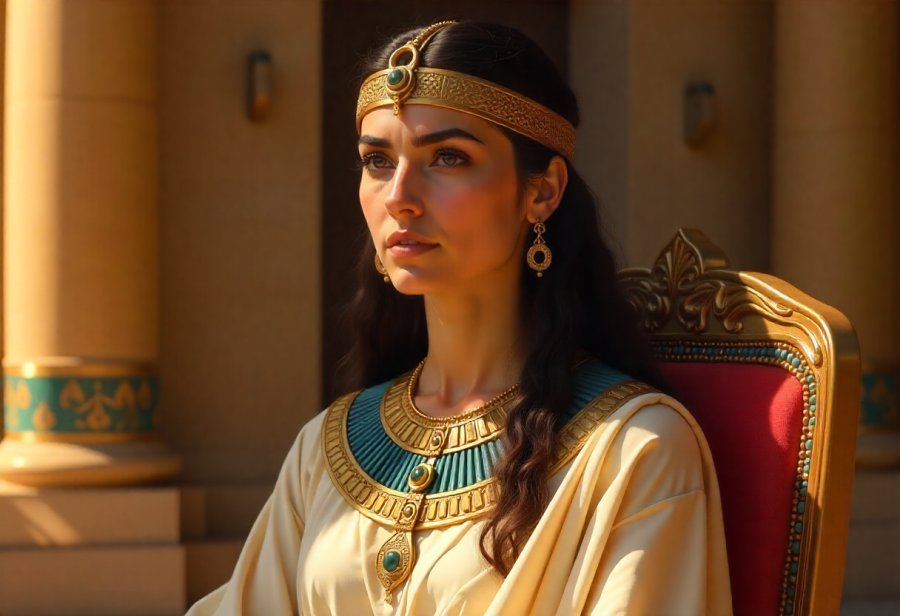
Future Perspectives: The Enduring Legacy of Cleopatra’s Intelligence and Diplomacy
Research into Cleopatra’s legacy continues to evolve, fueled by new archaeological discoveries and fresh scholarly insights. Recent excavations and technological advances reveal her as much more than a romantic figure; they highlight her as a pioneering strategist, a patron of knowledge, and a leader deeply engaged with science, philosophy, and innovation. These findings deepen our understanding of her leadership style, emphasizing that her influence was rooted in intellectual curiosity and diplomatic skill—traits that remain highly relevant today.
Scholars are increasingly recognizing Cleopatra as a trailblazing female leader who used her intelligence and cultural diplomacy to preserve Egypt’s independence amid a rapidly changing world. Her mastery of multiple languages, strategic alliances, and resilience set her apart in a male-dominated society, offering inspiration for modern discussions on women in leadership. Her story challenges stereotypes and underscores that strength, wisdom, and adaptability are universal traits that transcend time.
Advancements in digital technology are transforming how we study her reign. High-resolution imaging, virtual reconstructions, and detailed artifact analysis bring her world to life in ways that were previously impossible. These tools allow us to visualize her environment, uncover new inscriptions, and better appreciate her strategic mind. As technology progresses, our appreciation for her leadership becomes richer and more nuanced, ensuring her legacy remains accessible and inspiring across generations.
Looking ahead, her contributions as a leader rooted in knowledge and diplomacy will continue to resonate. Increasing emphasis on women’s history and leadership studies highlights her as a model of resilience, innovation, and wisdom. Her example encourages future leaders to prioritize learning, cultural understanding, and strategic patience—values vital in today’s complex and interconnected world.
Engaging with ongoing research and emerging discoveries keeps Cleopatra’s story alive and relevant. Her legacy reminds us that true influence isn’t just about power or appearance but about the strength of the mind, the capacity to adapt, and the courage to lead with integrity. As new insights emerge, Cleopatra’s enduring impact will inspire generations to view leadership through the lens of intelligence, resilience, and timeless wisdom.